Lyme disease is a bacterial infection transmitted through tick bites, affecting thousands of people annually. We’ll explore the various aspects of Lyme disease, from contracting the disease to common symptoms to treatment.
How do you get Lyme disease?
Lyme disease is primarily caused by the bacterium Borrelia burgdorferi, spread through the bite of infected blacklegged ticks (deer ticks). These ticks are commonly found in:
- Northeast
- Mid-Atlantic
- Upper Midwest
- Pacific coast, especially northern California
The risk of contracting Lyme disease is highest during the warmer months (April-September) when ticks are most active and people spend more time outdoors. However, infections can occur year-round, especially during unusually warm winters.
To transmit the bacteria, a tick typically needs to be attached for more than 24 hours. Ticks can attach to any part of the body but are often found in hard-to-see (aka hairy) areas such as the groin, armpits, and scalp.
Symptoms
Lyme disease symptoms can vary widely and may appear in stages.
Early Stage (3 to 30 days after tick bite)
- Erythema migrans (EM) rash: A characteristic "bull's-eye" rash appears in about 70-80% of infected individuals[2]
- Fever and chills
- Headache
- Fatigue
- Muscle and joint aches
- Swollen lymph nodes
Later Stage (days to months after tick bite)
- Severe headaches and neck stiffness
- Additional EM rashes
- Facial palsy (drooping on one or both sides)
- Arthritis with severe joint pain and swelling
- Intermittent pain in tendons, muscles, joints, and bones
- Heart palpitations or irregular heartbeat
- Dizziness or shortness of breath
- Inflammation of the brain and spinal cord
- Nerve pain
- Shooting pains, numbness, or tingling in hands or feet
It's crucial to seek medical attention if you experience these symptoms, especially after a recent tick bite or exposure to tick-prone areas.
Patients are also prone to developing multiple other bacterial infections such as babesiosis and anaplasmosis, which complicates both treatment and recovery.
Typical Medical Treatments
The standard treatment for Lyme disease involves antibiotics. The choice and duration of antibiotics depend on the stage and severity of the infection.
- Oral antibiotics: Typically doxycycline, amoxicillin, or cefuroxime is prescribed for 14 to 21 days.
The consensus among medical professionals is that current antibiotic treatments are the most effective choice for Lyme disease. Early treatment is crucial to prevent the infection from spreading to joints, the heart, and the nervous system.
Post-Treatment Lyme Disease Syndrome (PTLDS)
About 10-15% of patients continue to experience symptoms months to years after completing the recommended antibiotic treatment. This condition is known as
Post-Treatment Lyme Disease Syndrome
(PTLDS).
Symptoms of PTLDS may include:
- Fatigue
- Chronic pain (ranging from joint pain to chest pain)
- Cognitive difficulties
- Difficulty breathing
The exact cause of PTLDS is not fully understood. Current evidence suggests that prolonged antibiotic therapy provides little benefit and carries significant risks.
Extracorporeal Blood Oxygenation and Ozonation & PTLDS
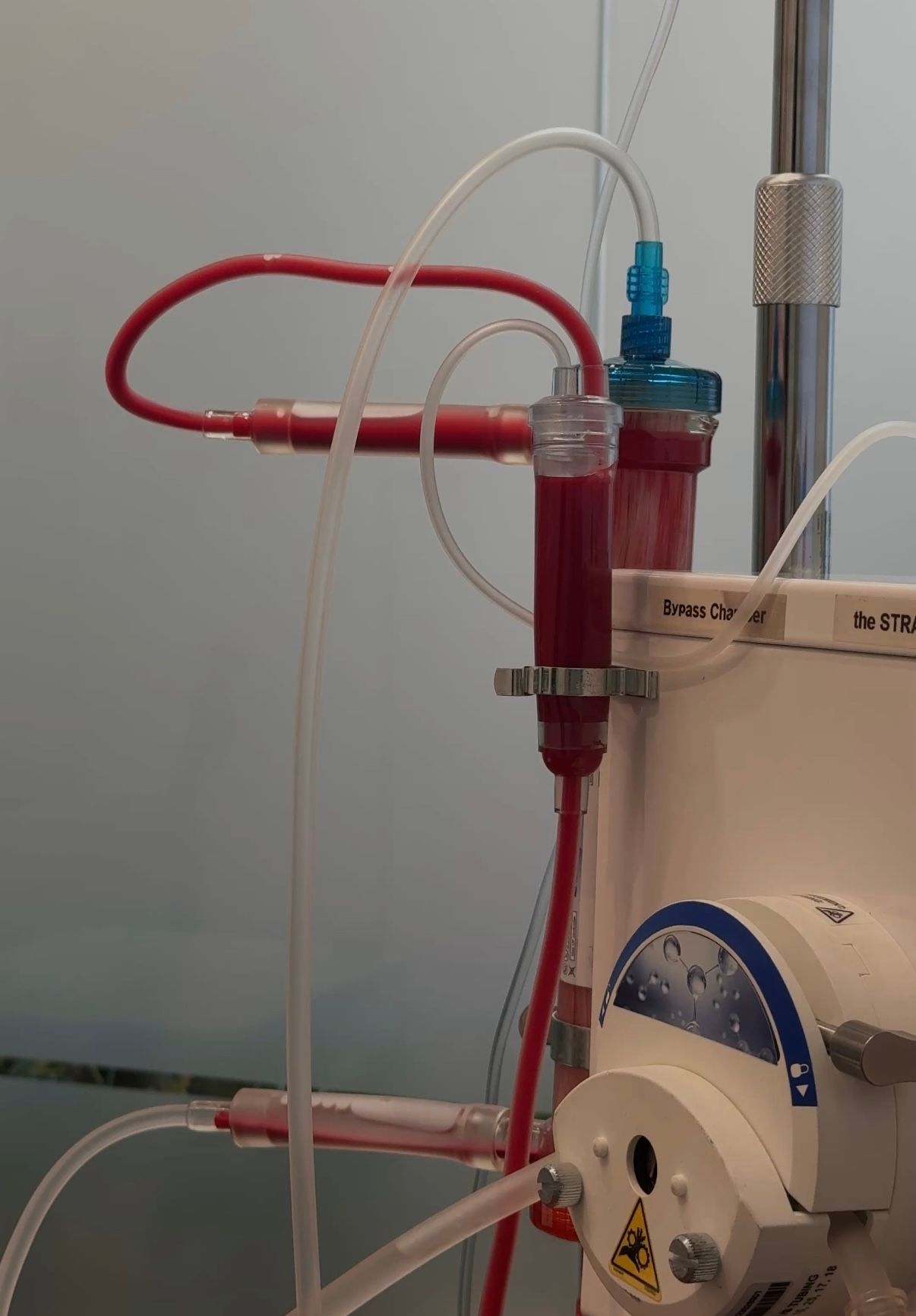
Fortunately, Extracorporeal Blood Oxygenation and Ozonation (EBOO) therapy has emerged as a promising treatment for chronic Lyme disease, offering several potential benefits for patients struggling with persistent symptoms.
Learn more about EBOO here
(🡨 link to blog post about eboo)
Here's how EBOO can help with chronic Lyme disease:
Pathogen Reduction
EBOO therapy can help combat the Borrelia burgdorferi bacteria responsible for Lyme disease. The ozone in EBOO has potent antimicrobial properties that may help reduce bacterial loads, including those hidden in biofilms.
Detoxification
EBOO aids in removing toxins from the bloodstream, including endotoxins released by dying bacteria. This detoxification process can alleviate symptoms such as fatigue and brain fog, which are often exacerbated by toxin buildup in chronic Lyme patients.
Immune System Modulation
The therapy enhances immune function, making it easier for the body to fight off lingering infections. This is particularly beneficial for Lyme patients whose immune systems may be compromised after battling the infection for an extended period.
Inflammation Reduction
Chronic inflammation is a hallmark of Lyme disease. EBOO's anti-inflammatory effects can help reduce pain, swelling, and other symptoms associated with inflammation, providing significant relief for patients.
Improved Oxygenation and Circulation
EBOO improves blood flow and cellular oxygen utilization, which can enhance the body's natural healing processes and support overall immune function. This improved oxygenation may help address symptoms like fatigue and cognitive difficulties.
Other Complementary Therapies
EBOO can be used as part of a comprehensive treatment approach for chronic Lyme disease, potentially enhancing the effectiveness of other therapies. It may be particularly helpful for patients who have not responded well to traditional treatments alone.
Here are some additional interventions that may help manage symptoms and improve quality of life:
Pain management: Over-the-counter pain relievers or prescribed medications for joint and muscle pain
Anti-inflammatory diet: Consuming foods that reduce inflammation may help alleviate symptoms
Physical therapy: Can be beneficial for those experiencing joint pain or mobility issues
Cognitive behavioral therapy: May help manage the psychological impact of chronic symptoms
Stress reduction techniques: Practices like meditation or yoga can help manage stress associated with the disease
Sleep hygiene: Improving sleep quality can help combat fatigue
Gentle exercise: Low-impact activities can help maintain overall health and manage symptoms
The future of Lyme Disease
Lyme disease is a complex condition that requires prompt diagnosis and treatment. While most cases resolve with standard antibiotic therapy, some individuals may experience persistent symptoms.
Ecore is proud to be able to offer EBOO treatment for those suffering from chronic Lyme disease symptoms. If you’re considering EBOO, please contact us at Ecore to determine if it's an appropriate option for you.