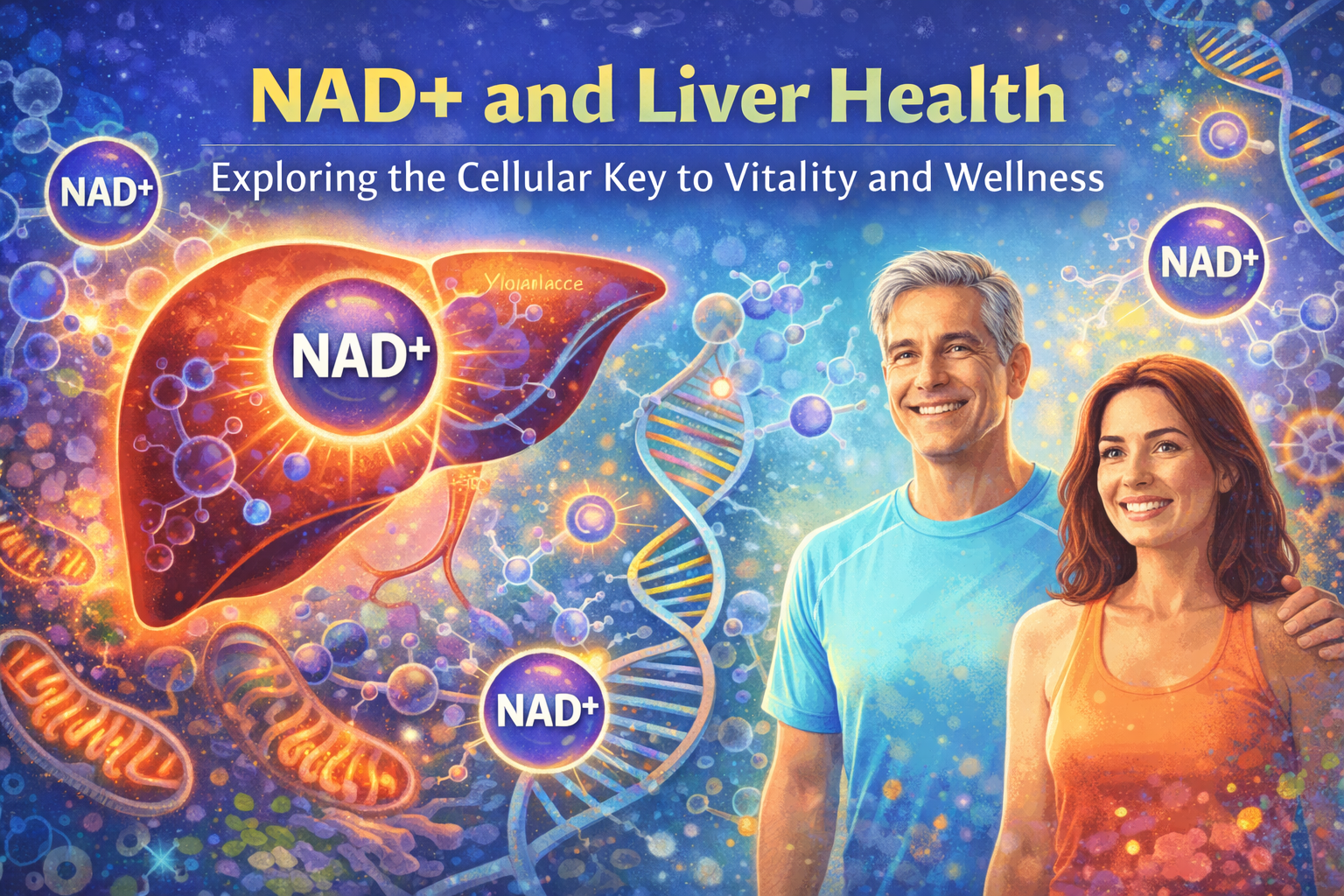
In the intricate world of cellular biology, a tiny molecule is making big waves: Nicotinamide Adenine Dinucleotide, or NAD+ for short. This unassuming coenzyme, present in every living cell, is proving to be a potential game-changer in the realm of liver health and beyond. As we delve into the fascinating world of NAD+, we'll discover how this cellular superhero might just hold the key to revolutionizing our approach to liver health and aging.
The NAD+ Basics
NAD+ is like the body's cellular fuel, powering numerous biological processes. It's involved in energy production, DNA repair, gene expression regulation, and even our immune function. Think of NAD+ as the oil that keeps our cellular machinery running smoothly. Without it, our cells would grind to a halt.
As we age, our NAD+ levels naturally decline. This drop has been linked to various health issues, including liver problems. It's as if our cellular engines are running low on oil, causing increased wear and tear.
NAD+ and Liver Health: A Crucial Connection
The liver, our body's detoxification powerhouse, seems particularly sensitive to NAD+ levels. Recent research has shown that maintaining adequate NAD+ could be crucial for liver health. Low levels of NAD+ have been associated with non-alcoholic fatty liver disease (NAFLD), a condition affecting millions worldwide.
Studies suggest that boosting NAD+ levels might help prevent and even reverse NAFLD progression. In animal studies, NAD+ supplementation has shown remarkable effects, including:
- Reducing body weight gain
- Alleviating hepatic steatosis (fatty liver)
- Improving insulin resistance
- Enhancing mitochondrial function
- Decreasing liver fibrosis
But it's not just NAFLD that NAD+ might help combat. Alcohol-related liver disease (ARLD) also appears to be influenced by NAD+ levels. A study of liver samples from ARLD patients undergoing transplants found significantly reduced NAD+ levels, suggesting that maintaining NAD+ could potentially mitigate alcohol-induced liver damage.
The NAD+ Decline: A Cellular Energy Crisis
As we age, our NAD+ levels naturally decrease. This decline has been associated with:
- Development of metabolic disorders like type-2 diabetes
- Increased risk of non-alcoholic fatty liver disease (NAFLD)
- General decline in cellular function and health
It's as if our cells are experiencing an energy crisis, with far-reaching consequences for our health.
Boosting NAD+: Strategies for Cellular Rejuvenation
So, how can we boost our NAD+ levels? While our bodies naturally produce NAD+, with the liver being the primary site of its biosynthesis, there are ways to supplement it:
1. **NAD+ Precursors**: Compounds like nicotinamide riboside (NR) and nicotinamide mononucleotide (NMN) can be converted to NAD+ in the body. These have shown promise in animal studies for treating liver conditions.
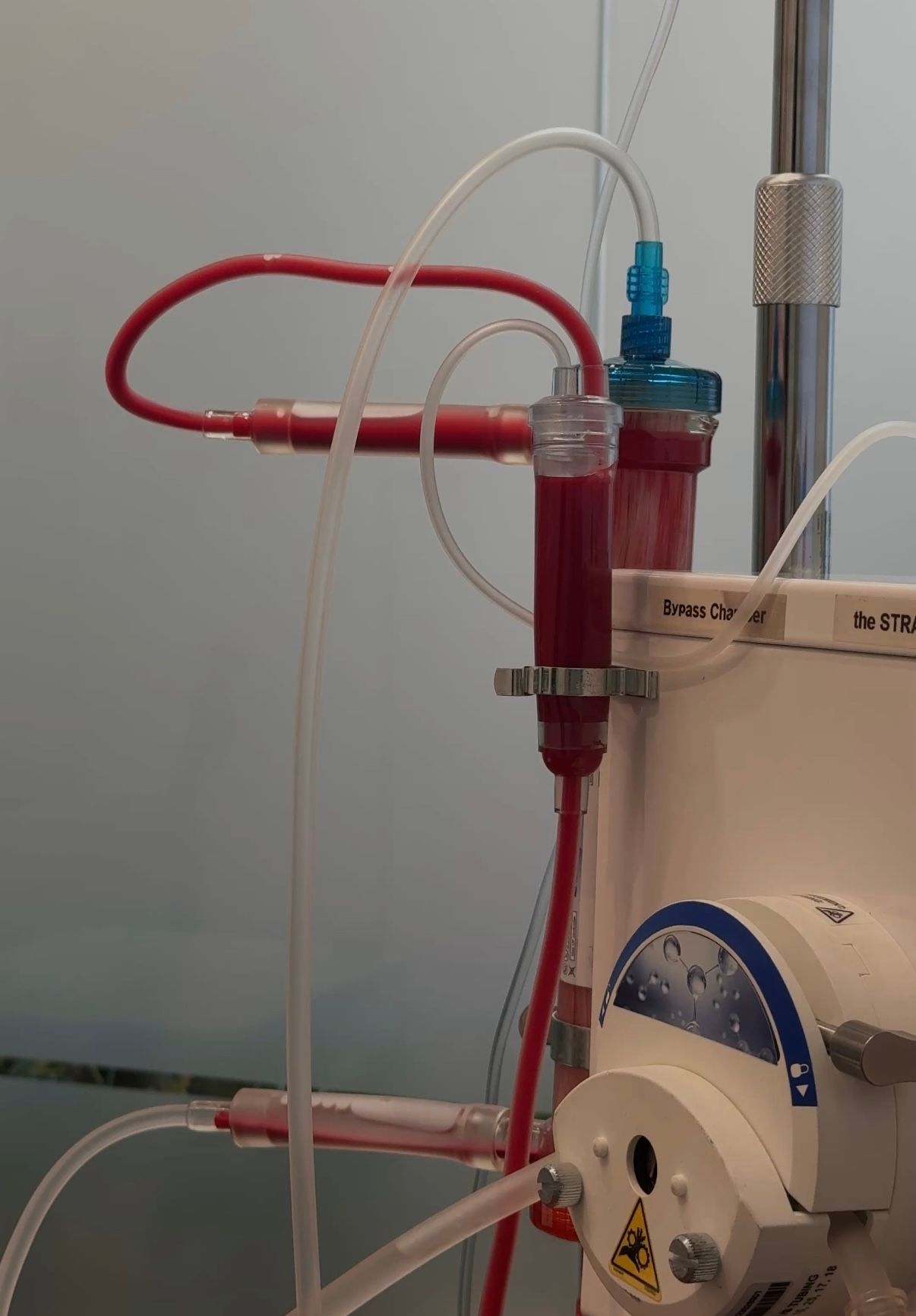
2. **Intravenous NAD+ Infusions**: Some researchers are exploring this method, which has been found to significantly raise plasma NAD+ levels. At Ecore, we’re proud to offer this intervention.
3. **Lifestyle Factors**: Exercise, calorie restriction, and certain dietary choices may help boost NAD+ levels naturally.
The Promise and the Caution
The potential benefits of NAD+ boosting therapies are impressive. Animal studies have shown effects ranging from reduced body weight gain and improved insulin resistance to enhanced mitochondrial function and decreased liver fibrosis. These findings hint at NAD+'s potential as a therapeutic approach for various liver diseases.
However, it's important to note that while animal studies have shown significant benefits, more research is needed to fully understand NAD+'s therapeutic potential in humans.
The Future of NAD+ Research
As we continue to unravel the mysteries of NAD+, one thing is clear: this molecule plays a crucial role in our cellular health, particularly in the liver. Whether through diet, supplements, or medical treatments, maintaining healthy NAD+ levels could be key to preserving liver function and preventing liver diseases.
Researchers are exploring various aspects of NAD+ biology:
- Its role in activating sirtuins (SIRTs), enzymes that regulate cellular processes
- How it influences the expression of Fndc5/irisin, a protein involved in alleviating NAFLD pathology
- Its ability to trigger mitochondrial unfolded protein response, which improves liver function
The story of NAD+ is a testament to the complexity and wonder of our cellular biology. As research progresses, we may find that this tiny molecule holds the key to unlocking better health and longevity. The future of liver health looks brighter with NAD+ in the spotlight.
NAD+ shows immense promise but it's not a magic bullet. A holistic approach to health, including a balanced diet, regular exercise, and avoiding excessive alcohol consumption, remains crucial for liver health. But as we continue to explore the potential of NAD+, we may be on the cusp of a new era in cellular health and disease prevention. The NAD+ revolution is just beginning, and the implications for liver health and beyond are truly exciting.