The ancient myth of Prometheus tells of a God bound to a rock as punishment for giving mankind fire. Each day his liver is pecked away, only to have it regenerate every night. Although it may seem impossible, this mythological tale holds an element of truth.
The liver, unlike any other organ in the human body,
can grow back.
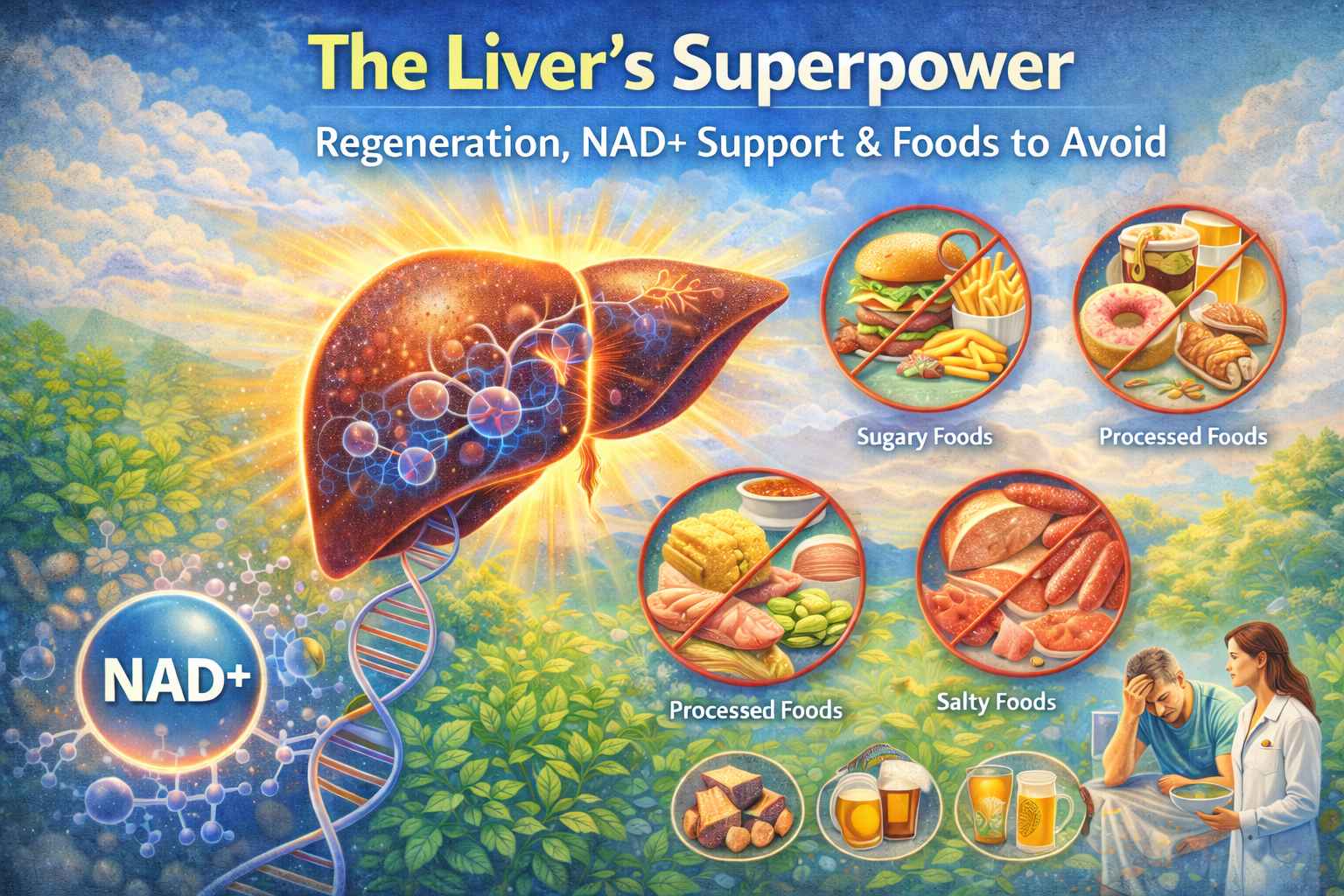
Taking up the right upper portion of the abdomen, the liver is our largest solid organ. It spends much of a typical day filtering toxins, storing energy, digesting food, and making bile that breaks down fat.
Hidden within the liver are quiescent, or inactive, cells. When there is severe liver damage, just like any clandestine organization under attack, the sleeper cells get activated. An intricate network of metabolic pathways coordinates a complex response, tapping into hepatocyte progenitor cells, or HPCs. Even if
over 75% of the organ is removed, the remaining 25% can regenerate back to its original size and functionality!
If a healthy adult donates half of their liver to another person, both halves of the liver will grow back to its original size. You end up with two identical livers, in two different people! And while the new growth is going on, the liver continues performing its myriad daily tasks.
What can you do to support this incredible organ? Be wary of the modern-day snake oil salesman, offering expensive liver detox elixirs and fancy juice cleanses. The liver does a pretty bang-up job on its own, as just described.
So, if you really want to detox your liver, the first step is to STOP ingesting that are more difficult for your liver to metabolize in the first place.
Understanding which items are harder for your liver to metabolize can help you make informed choices about your diet and support your liver's health.
Fatty Foods
The liver plays a crucial role in processing fats so excessive consumption of fatty foods can overwhelm it. Fast food meals, fried foods, and packaged snacks high in saturated fats are particularly challenging. These foods can contribute to fat accumulation in the liver, potentially leading to non-alcoholic fatty liver disease (NAFLD).
Sugar
While sugar itself isn't toxic, excessive consumption can strain the liver. Foods high in added sugars, including cereals, baked goods, and candies, can contribute to fatty liver disease. High-fructose corn syrup, often found in processed foods and beverages, is especially problematic as it's metabolized primarily by the liver.
Processed Foods
Highly processed foods, including certain breads, pastas, and packaged meals, often contain additives and preservatives that the liver must work hard to break down. These foods typically lack the fiber and nutrients that support liver health, making them a double threat.
Salty Foods
While sodium is essential for bodily functions, excessive salt intake can lead to fluid retention and increased blood pressure, indirectly affecting liver health. Salted deli meats, bacon, and high-sodium canned foods are common culprits.
Red and Processed Meats
Red meats like beef, lamb, and pork, especially when consumed in large quantities, can be challenging for the liver to process. Processed meats such as hot dogs, sausages, and lunch meats often contain additives and preservatives that add to the liver's workload.
Alcohol & Sugar-sweetened
Beverages
Alcohol is perhaps the most well-known liver challenger. Excessive alcohol consumption can lead to alcoholic liver disease, causing inflammation and damage over time. Sugar-sweetened beverages, including sodas, sweetened coffee drinks, and even some fruit juices, can contribute to fatty liver disease due to their high sugar content. Even just switching from regular soda to diet soda can have a huge impact!
In general, opt for a diet rich in fruits, vegetables, whole grains, and lean proteins. Stay hydrated with water, and if you choose to drink alcohol, do so in moderation.
Is there anything that
does help the liver?
Cue Nicotinamide adenine dinucleotide, or NAD+ for short. It’s an essential cofactor for many cellular processes, including energy production and metabolism.
Promising research has shown that NAD+ supplementation can have significant benefits for liver health:
DNA Damage Repair
NAD+ is involved in DNA damage repair processes, which is crucial for maintaining the integrity of liver cells, preventing the development of liver diseases, and reversal of non-alcoholic fatty liver disease (NAFLD) progression.
Mitochondrial Function
NAD+ supplementation has been shown to improve mitochondrial function in the liver, which is essential for energy production and cellular health.
Oxidative Stress Reduction
As a precursor for NADPH, NAD+ plays a role in the antioxidant defense system, helping to reduce oxidative stress in the liver
Your liver is resilient and has amazing capacity to regenerate. By making informed dietary choices and supporting it with NAD+ supplementation, you can improve its overall function. No juice cleanse required!
Interested in NAD+ infusions to help support your liver function? Check here [link to infusion info].
Want to learn more about NAD+ and all its benefits? Check out this post [link NAD+ post].