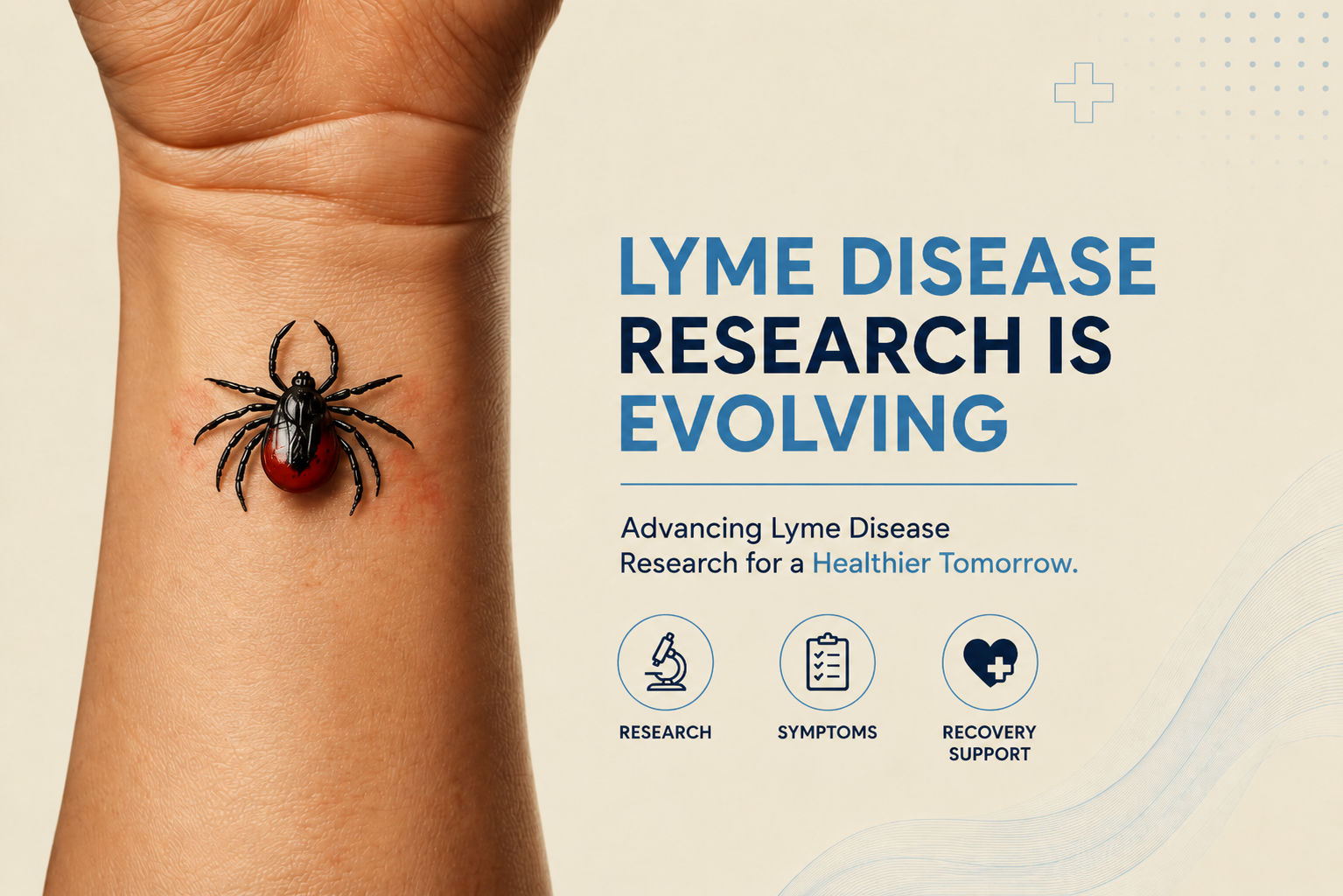
Lyme disease is more than a tick bite concern. For many people, it begins with a rash, flu-like symptoms, fatigue, body aches, or joint pain. For others, the picture becomes more complex, especially when symptoms continue after standard treatment. Today, Lyme disease research is evolving toward a broader understanding of how infection, immune response, inflammation, the nervous system, and whole-body resilience may interact.
Lyme disease is caused by Borrelia bacteria and is spread through infected blacklegged tick bites. At Ecore Wellness in Encinitas, California, the goal is to help patients better understand their symptoms, explore appropriate testing and care options, and receive personalized support that looks at the whole person, not just one diagnosis. Ecore Wellness provides Lyme disease education and care information through its dedicated Lyme Disease page and serves patients in Southern California and through telehealth options.
What Is Lyme Disease?
Lyme disease is a tick-borne bacterial illness most often associated with blacklegged ticks, also called deer ticks. In the United States, it is most common in the Northeast, mid-Atlantic, and upper-Midwest regions, though cases can occur in other areas, including parts of the Pacific Coast.
People may be exposed while hiking, gardening, camping, walking through brush, playing in grassy areas, or spending time in yards and neighborhoods where ticks live. Many people never remember being bitten because ticks can be small, and their bites are often painless.
Common Lyme Disease Symptoms People Search For
Lyme disease symptoms can vary from person to person. Some people develop symptoms quickly, while others notice changes days or weeks later.
Early Lyme Disease Symptoms
Early symptoms may include an expanding rash, fever, chills, fatigue, headache, muscle aches, joint aches, and swollen lymph nodes. A Lyme rash is often described as a bull’s-eye rash, but not every rash looks that way, and not every person develops a noticeable rash. Lyme disease can cause fever, rash, and arthritis, and prompt medical care is recommended when symptoms appear.
Later Lyme Disease Symptoms
If Lyme disease is not diagnosed or treated early, symptoms may become more serious. Later symptoms can include joint swelling, nerve pain, facial palsy, numbness or tingling, severe headaches, neck stiffness, heart rhythm changes, and cognitive symptoms such as memory problems or brain fog. Early disseminated Lyme disease can involve neurological problems, and Lyme carditis can affect heart signaling.
Why Lyme Disease Research Is Evolving
For years, Lyme disease care focused mainly on identifying infection and treating it with antibiotics. That remains an essential part of evidence-based Lyme care. However, research is also paying closer attention to why some people experience persistent symptoms such as fatigue, pain, sleep disruption, dizziness, exercise intolerance, and difficulty thinking after treatment.
Some people have prolonged symptoms after antibiotic treatment, including fatigue, body aches, or difficulty thinking, and the cause is not yet fully known. It is recommended to evaluate other possible causes of these symptoms rather than assuming Lyme disease is the only explanation. This is where a systems-based conversation becomes important. Persistent symptoms may involve immune signaling, inflammation, nervous system regulation, stress physiology, sleep quality, mitochondrial energy production, co-existing conditions, or other factors that require careful evaluation.
What Is Post-Treatment Lyme Disease Syndrome?
Post-Treatment Lyme Disease Syndrome, often called PTLDS, refers to prolonged symptoms that may continue after a person has completed treatment for Lyme disease. These symptoms may include fatigue, widespread pain, cognitive difficulties, headaches, sleep problems, and reduced exercise tolerance.
The term PTLDS is used for prolonged symptoms after Lyme disease treatment, noting that the cause remains unknown. Additional long-term antibiotics are unlikely to help prolonged symptoms after recommended antibiotic treatment and may carry serious risks. This does not mean symptoms are “not real.” It means that persistent symptoms deserve a careful, respectful, and comprehensive evaluation.
Lyme Disease, Brain Fog, Fatigue, and the Nervous System
One of the biggest developments in Lyme disease research is the growing interest in nervous system dysfunction and post-infectious illness patterns. Some patients report symptoms such as dizziness when standing, heart rate changes, temperature sensitivity, sleep disruption, brain fog, fatigue crashes, or poor stress tolerance.
Recent medical reviews discuss dysautonomia, or autonomic nervous system dysfunction, as a possible area of study in post-treatment Lyme disease syndrome. Overlapping features may exist between PTLDS, Long COVID, and ME/CFS. For patients, this means symptoms like dizziness, fatigue, palpitations, and crashes should be discussed with a qualified clinician instead of being dismissed.
Patient Experience: Navigating Lyme Symptoms with Advanced Detoxification
Active Meditations, Breathwork, Chi Gong By: Carlo James Petrini
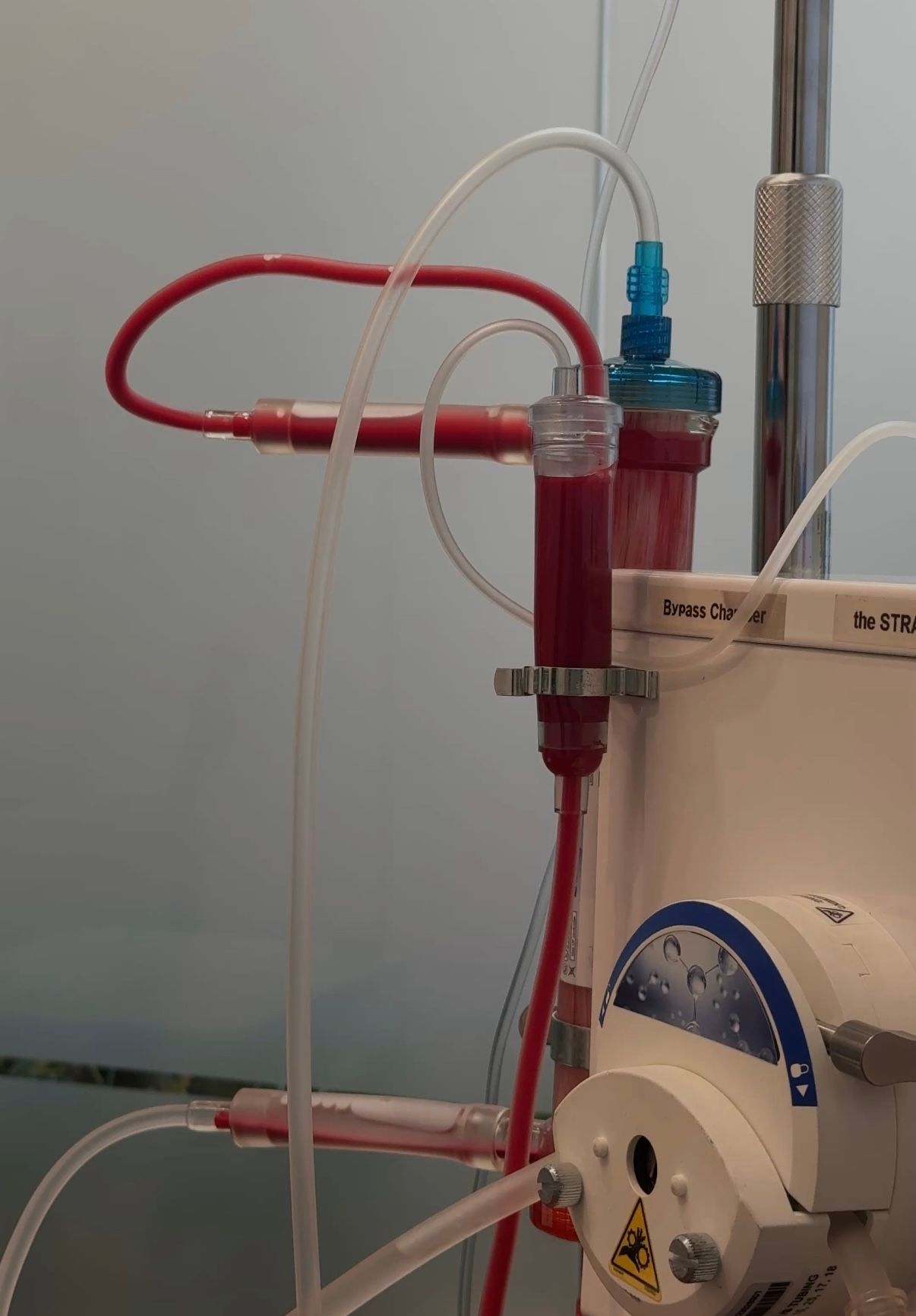
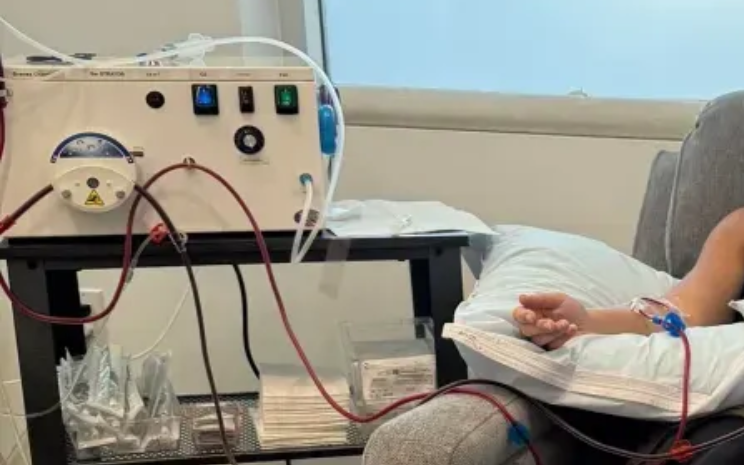
As a sports medicine professional navigating complex Lyme-related symptoms, Carlo shares his firsthand experience with advanced cellular detoxification. He discusses how Extracorporeal Blood Oxygenation and Ozonation (EBOO) therapy at Ecore Wellness became a critical part of his healing journey, helping to significantly reduce joint pain, neuropathy, and overall systemic burden by targeting the underlying biochemistry.
Hearing firsthand experiences can be incredibly validating for patients searching for answers beyond a standard diagnosis. Exploring comprehensive modalities—like EBOO paired with active meditations, breathwork, and chi gong—highlights the profound impact of addressing the body holistically when dealing with persistent, post-infectious challenges.
How Lyme Disease Is Diagnosed
Lyme disease diagnosis usually begins with a clinical evaluation. A healthcare provider may consider symptoms, physical exam findings, possible tick exposure, travel history, rash appearance, and timing. Blood testing may also be used, typically a two-step serologic testing process. Timing matters because antibody tests may be negative early in infection before the immune system has produced measurable antibodies.
Standard Lyme Disease Treatment
Antibiotics are the standard treatment for Lyme disease. Most cases can be treated with 10 to 14 days of antibiotics, and people treated appropriately in the early stages usually recover rapidly and completely. More complex cases, including neurologic, cardiac, or joint involvement, may require additional evaluation and a treatment plan directed by a licensed medical professional.
Why Recovery Support May Need a Whole-Body Approach
For people with lingering symptoms, recovery support may require more than focusing on infection alone. A whole-person approach may consider the immune system, inflammation, sleep, stress response, nutrition, autonomic nervous system balance, detoxification pathways, mitochondrial energy, and other health conditions that may contribute to symptoms.
Immune and Inflammatory Support
Persistent fatigue, pain, and brain fog may be influenced by immune and inflammatory activity. A clinician may consider labs, medical history, nutrition status, inflammatory markers, co-existing infections, environmental exposures, and lifestyle factors.
Nervous System Regulation
The autonomic nervous system helps regulate heart rate, blood pressure, digestion, temperature control, stress response, and recovery. When patients experience dizziness, palpitations, sleep disruption, or crashes after exertion, nervous system regulation may be part of the conversation.
Mitochondrial and Energy Support
Many patients searching for Lyme disease help are also searching for answers about fatigue, exercise intolerance, and low stamina. Mitochondria help produce cellular energy, so clinicians may evaluate nutrition, sleep, inflammation, hormonal patterns, oxidative stress, and recovery capacity.
How Ecore Wellness Approaches Lyme Disease Support
Ecore Wellness provides an integrative, whole-person approach for people navigating Lyme disease symptoms, post-infectious concerns, and complex wellness challenges. Rather than making one-size-fits-all claims, Ecore Wellness focuses on individualized evaluation and supportive care. Depending on the patient, this may include naturopathic care, functional wellness support, immune support, symptom-management strategies, lifestyle guidance, and integrative treatment planning.
Lyme Disease Prevention Tips
The best Lyme disease strategy is prevention. Use these prevention steps when spending time outdoors:
- Wear long sleeves, long pants, and closed shoes in grassy or wooded areas.
- Use EPA-registered insect repellent as directed.
- Stay near the center of trails.
- Check your body, children, clothing, and pets after outdoor activity.
- Shower after being outdoors in tick-prone areas.
- Remove attached ticks as soon as possible with fine-tipped tweezers.
- Keep yards trimmed and reduce brush, leaf litter, and tall grass.
When Should You Contact a Healthcare Provider?
Contact a healthcare provider if you notice a rash, fever, chills, fatigue, joint pain, facial drooping, numbness, tingling, dizziness, heart palpitations, severe headaches, or worsening symptoms after possible tick exposure. Seek urgent or emergency care for chest pain, fainting, severe shortness of breath, sudden neurological symptoms, severe weakness, confusion, or symptoms that feel life-threatening.
Frequently Asked Questions About Lyme Disease
What are the first signs of Lyme disease?
The first signs may include an expanding rash, fatigue, fever, chills, headache, muscle aches, joint pain, and swollen lymph nodes. Some people never notice a tick bite or rash.
Does everyone with Lyme disease get a bull’s-eye rash?
No. A bull’s-eye rash can happen, but not everyone develops one. Some rashes look solid red, oval, or bruise-like, while some people do not notice a rash at all.
Can Lyme disease cause brain fog or fatigue?
Yes. Fatigue is one of the common symptoms people report. Some people also report cognitive symptoms such as brain fog, memory problems, and difficulty concentrating, especially in prolonged symptom cases after treatment.
What is PTLDS and is it the same as chronic Lyme?
PTLDS stands for Post-Treatment Lyme Disease Syndrome. It refers to prolonged symptoms that may continue after Lyme disease has been treated. The term “chronic Lyme disease” is used differently by different groups and can create confusion because it may imply ongoing infection when the cause of symptoms is not always known.
Can Lyme disease affect the nervous system?
Yes. Lyme disease can involve neurological symptoms, especially in disseminated stages. Current research is also exploring whether autonomic nervous system dysfunction may play a role in some post-treatment symptom patterns.
How is Lyme disease tested and treated?
Lyme disease diagnosis involves a clinical evaluation and often a two-step antibody testing process. The standard treatment is antibiotics, typically for 10 to 14 days, though the exact medication and treatment length depend on individual factors.
How can Ecore Wellness support people with Lyme-related symptoms?
Ecore Wellness supports patients through personalized evaluation, integrative wellness planning, symptom-focused support, lifestyle guidance, and whole-person care strategies designed around your unique health history.