When the Body Gets Stuck in Protection Mode: Cell Danger Response, Mitochondria, and the Real Root of Chronic Illness
A deeper look at why some patients remain exhausted, inflamed, reactive, and unable to recover — even after receiving a diagnosis, following protocols, and doing everything they were told to do.
For many people living with chronic illness, a diagnosis arrives like a lifeline. After years of abnormal labs being called “normal,” after dismissals, wrong turns, and being told the symptoms are stress or anxiety, finally receiving a name — POTS, mold illness, CIRS, autoimmunity, chronic fatigue, MCAS, Lyme — can feel like validation, even relief.
At Ecore Wellness, we believe those diagnoses matter. They guide testing. They inform safety. They help patients advocate for themselves and communicate with their care team. But for the patients who remain sick despite doing everything right — the ones who have tried the protocols, treated the infections, avoided the triggers, and still cannot recover — a diagnosis alone may not be answering the deeper question they are living with every day:
Why is my body still stuck?
This is the question that the science of Cell Danger Response was built to address. Cell Danger Response, or CDR, is a biological framework describing how cells respond to threat. Developed primarily through the research of Robert Naviaux, MD, PhD at UC San Diego, CDR describes a universal cellular survival program — one in which mitochondria play a far more complex role than most people realize.
The framework offers a profound reframe: your symptoms may not mean your body is broken. They may mean your body is protecting you. And the reason you have not recovered may not be that the treatment was wrong — it may be that the healing cycle was never completed.
The Body Has an Ancient Survival Program
Long before modern medicine named our diseases, the human cell had already developed a response to danger.
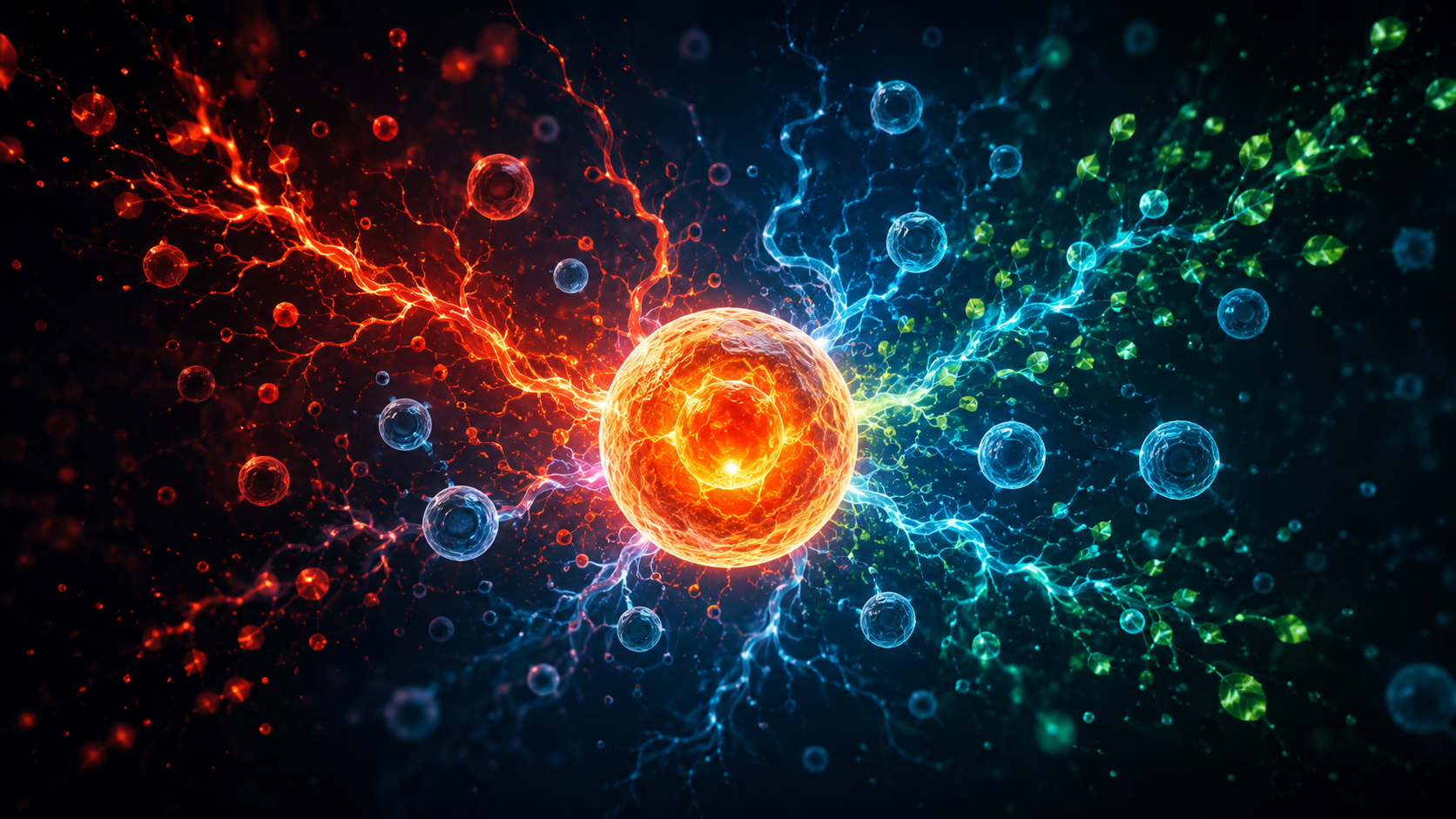
When a cell senses threat — a virus, a toxin, mold exposure, chronic stress, physical injury, emotional trauma, or even the perceived danger of ongoing nervous system activation — it shifts its priorities. Growth, repair, detoxification, and regeneration move to the back. Defense moves to the front.
This is the Cell Danger Response in action.
In the short term, it is brilliant. During an acute infection, for example, the immune system mobilizes. The body reduces appetite to redirect resources. Fatigue enforces rest. The liver shifts enzyme priorities. These are not failures — they are coordinated survival strategies.
The problem begins when that protective state does not turn off.
When the CDR remains chronically active, patients may experience relentless fatigue, brain fog, food and chemical sensitivities, post-exertional crashes, immune flares, sleep disruption, pain, gut dysfunction, dizziness, anxiety, and multi-system inflammation. The body is not malfunctioning. It is running a real, organized biological defense program — indefinitely — because something in the signaling chain has not received the “all clear.”
This distinction matters enormously. It changes the clinical question from “what is wrong with this person” to “what does this person’s biology still believe is threatening, and what does it need to complete the healing cycle?”
Mitochondria: Far More Than Energy Factories
Most people learn early in school that mitochondria are the “powerhouses of the cell.” That framing, while accurate, is dangerously incomplete.
Yes, mitochondria generate ATP — the chemical energy that powers virtually every cellular process, from immune signaling to tissue repair to neurotransmitter production. But the role of mitochondria extends far beyond energy production.
Mitochondria are also primary sensors of environmental danger. They detect viral RNA, bacterial signals, reactive oxygen species, heavy metals, mycotoxins, and other biological stressors. When they detect a threat, they do not merely reduce energy production — they actively orchestrate the immune response, initiating inflammation, triggering innate immune pathways, and signaling neighboring cells.
This is what makes mitochondrial health so central to chronic illness.
If mitochondria are depleted, overwhelmed, inflamed, or chronically receiving danger signals, the body becomes caught in a loop: the very organelles responsible for powering the healing cycle are the same ones stuck in survival mode. Cellular repair stalls. Detoxification slows. Inflammation persists. And the body cannot generate enough energy to move from protection into recovery.
Patients often describe this cellular reality without knowing the biology behind it:
“I used to bounce back from anything. Now one stressor wipes me out for days.”
“I cannot tolerate supplements, heat, exercise, or detox anymore — everything makes me worse.”
“It feels like my system is constantly braced for impact.”
These are not exaggerations. They reflect a nervous system and cellular environment calibrated for threat, consuming so much energy in defense that almost nothing is left for repair.
Why Diagnoses Often Describe the Response, Not the Root
This is where the CDR framework requires a careful, respectful conversation — because the goal is never to minimize a diagnosis. It is to look beneath it.
POTS and Autonomic Dysfunction
POTS, or Postural Orthostatic Tachycardia Syndrome, describes a real and measurable pattern of autonomic nervous system dysfunction: an abnormal heart rate increase upon standing, accompanied by lightheadedness, palpitations, brain fog, nausea, fatigue, and exercise intolerance.
But POTS does not explain why the autonomic nervous system became dysregulated in the first place. For many patients, there is a clear viral trigger. For others, mold exposure, Lyme disease, or prior trauma may have preceded the onset. The diagnosis describes what the body is doing. CDR asks what the body is responding to, and whether it has ever been able to stop.
Mold Illness and CIRS
Mold illness and CIRS, or Chronic Inflammatory Response Syndrome, describe a pattern of multi-system inflammation triggered by exposure to biotoxins — often from water-damaged buildings.
But this raises one of the most common questions patients ask: “If mold was the problem, why is my spouse fine after living in the same house?” This is not a small question. It is the central clinical puzzle.
Autoimmunity
Autoimmunity describes the immune system attacking the body’s own tissues — joints, thyroid, gut lining, nerves, skin. But the diagnostic label does not reveal why immune tolerance was lost, what ongoing triggers are sustaining the inflammatory drive, or why remission remains elusive even after standard treatment.
At Ecore Wellness, we regularly work with autoimmune patients whose labs have improved while their daily quality of life has not.
A Note on Autism and Neurodevelopmental Presentations
This is a topic that requires exceptional care and respect. Autism is a developmental disability characterized by differences in brain function and social communication, and no single known cause exists — genetic, biological, and environmental contributors may all play a role.
Ecore Wellness does not position CDR as an “explanation” for autism, nor do we reduce a person’s neurological identity to a biological error. What we do recognize is that many individuals with autism — and many of their families — also carry significant coexisting burdens: gut inflammation, immune dysregulation, sleep disruption, sensory sensitivity, and mitochondrial stress.
For families who want to support these physiological layers, asking what the body needs to feel safer, more regulated, and more resourced is a reasonable and compassionate question. The work of supporting cellular health is not about “fixing” a person’s neurology — it is about reducing physiological suffering where it exists.
The Missing Variable: Cellular Resilience
If the diagnosis describes the pattern, and CDR describes the protective response, then the question of why one person recovers and another does not comes down to a concept called cellular resilience.
Cellular resilience is the body’s capacity to respond to stress, absorb impact, repair damage, and return to baseline.
Two people can be exposed to the same mold, the same virus, the same toxin — and have dramatically different outcomes. One recovers in weeks. The other is still sick years later.
The difference is rarely a matter of willpower or attitude. It is biology.
Mitochondrial reserve, genetic polymorphisms in detoxification pathways such as GST or MTHFR, prior toxic burden, nutrient density, nervous system regulation history, gut microbiome integrity, hormone balance, sleep architecture, inflammatory baseline, and prior infection history — all of these shape how much capacity the body has to absorb a stressor and complete the healing response.
When cellular resilience is low, the CDR may activate fully in response to a threat — but never have enough resources to deactivate. The danger signal remains on. The body stays in defense. The healing cycle never completes.
What Is Burdening the System?
Mold and mycotoxins. Chronic infections such as Lyme or EBV. Long COVID patterns and viral persistence. Heavy metals. Environmental chemicals. Inflammatory foods. Sleep disruption. Chronic emotional stress. Hormone imbalance. Gut dysbiosis and intestinal permeability. Ongoing immune activation.
What Is Limiting Recovery?
Low mitochondrial energy output. Nutrient depletion. Oxidative stress. Lymphatic congestion. Impaired detox pathways involving the liver, kidneys, and bowel. Autonomic nervous system dysregulation. Poor microcirculation. Deficient mineral status. Chronic nervous system threat perception.
Both sides of this equation matter equally. Removing a trigger without rebuilding recovery capacity is often why patients try treatment after treatment and remain stuck.
Chronic Inflammation: The Signal That Would Not Stop
Inflammation is one of the body’s most sophisticated healing tools. It mobilizes immune cells, breaks down damaged tissue, signals repair pathways, and coordinates recovery after infection or injury.
But chronic inflammation is different.
Once inflammation persists beyond its intended acute phase, it becomes a sustained physiological burden. From a CDR perspective, chronic inflammation often reflects a mitochondrial and immune system that cannot find the “off” signal. The body initiated the inflammatory response appropriately — but something blocked the resolution.
This is why so many patients with chronic illness describe a pattern of loops:
- A stressor triggers immune activation.
- Immune activation drains mitochondrial energy.
- Depleted mitochondria cannot power tissue repair.
- Unresolved tissue damage sends ongoing danger signals.
- Ongoing danger signals sustain the CDR.
- Sustained CDR perpetuates inflammation.
- Chronic inflammation deepens mitochondrial depletion.
And the cycle continues — not because the body is failing, but because it is doing exactly what it was designed to do under perceived conditions of ongoing threat.
Neuroimmune Dysfunction: When the Brain and Body Stop Trusting Each Other
One dimension of CDR that is easy to overlook is the nervous system’s role in sustaining or resolving chronic illness.
The brain and immune system are in constant communication. The vagus nerve, the hypothalamic-pituitary-adrenal axis, and neuroimmune signaling pathways link stress perception directly to inflammatory output. When the nervous system remains in a chronic state of sympathetic activation — perpetually braced, hypervigilant, unable to shift into rest-and-digest — it sends ongoing signals to the immune system that the threat has not passed.
This creates what some researchers describe as neuroimmune dysfunction: a state in which the immune system, the nervous system, and the cellular danger response are mutually reinforcing each other’s activation, making it biologically difficult for the body to downregulate.
Patients living with POTS, MCAS, mold illness, chronic fatigue, fibromyalgia, or long COVID frequently describe this:
“My body overreacts to everything — smells, sounds, movement, temperature changes, emotions.”
“I can do one activity and then I am crashed for three days.”
“I cannot predict what will set me off.”
This hypersensitivity is not imaginary. It reflects a nervous system and immune system calibrated to maximum alert — a state in which the threshold for danger detection has been lowered so dramatically that even ordinary life experiences register as threats. Addressing this layer is not optional. It is often prerequisite to any other healing work taking hold.
The Healing Cycle: From Survival to Repair
Healing is not just the absence of symptoms. It is a coordinated biological sequence.
To complete the healing cycle, the body must progress through several phases: danger detection and response, immune mobilization, pathogen or stressor clearance, inflammation resolution, tissue repair, energy restoration, and — finally — a return to regulated baseline function.
When the CDR remains active, patients stall somewhere in the middle of this sequence. Some stall in immune mobilization, flooding with inflammation they cannot resolve. Some stall in the clearance phase, where detox pathways are overwhelmed or congested. Some stall in the repair phase, where mitochondria do not have enough energy to rebuild what was damaged.
This is why patients often report:
“I treated Lyme, but I am still exhausted.”
“I left the moldy building, but my nervous system is still reactive.”
“My labs improved, but I do not feel better.”
“I detoxed aggressively and felt worse, not better.”
In many cases, aggressive detox or immune stimulation early in the process can worsen outcomes — not because the treatment was wrong in principle, but because the body had not yet built enough capacity to safely move what was being mobilized.
Before the healing cycle can complete, the body may first need foundational support: opening drainage pathways, stabilizing the nervous system, nourishing mitochondria, restoring minerals, improving circulation, and calming the inflammatory environment. Only then can more targeted interventions work efficiently and be tolerated well.
What This Looks Like in Clinical Practice
The Mold Patient Who Cannot Detox
A patient with mold illness arrives at Ecore Wellness having already tried binders, sauna, glutathione, antifungals, and multiple elimination protocols. Every intervention makes symptoms worse.
From a CDR perspective, this pattern is recognizable. The cells are in defense mode. Lymphatic flow is congested. Mitochondria are running on empty. The nervous system interprets each new intervention as another threat. Aggressive detox mobilizes toxins faster than the drainage pathways can move them — creating systemic overwhelm rather than clearance.
The first step is not more detox. The first step is building safety and capacity.
The POTS Patient Who Crashes After Everything
A patient with POTS struggles with standing, heat, exercise, digestion, and brain fog. The diagnosis guides safety and symptom management.
But underneath the label, the clinical inquiry deepens. Is there low circulating blood volume or low aldosterone? Is there ongoing mast cell activation? Is there evidence of mitochondrial insufficiency? Was there a viral trigger such as COVID, EBV, or another pathogen? Is the autonomic nervous system stuck in sympathetic overdrive due to persistent CDR signaling?
This deeper inquiry does not replace the standard of care for POTS. It expands it.
For the mold patient, foundational work may mean improving hydration and mineral status, supporting gut motility and bile flow, calming the nervous system through vagal and somatic work, nourishing mitochondria with foundational cofactors, and improving lymphatic circulation before increasing detox intensity.
The goal is not to push harder. The goal is to help the body respond better — to lower the perceived threat level enough that the CDR can begin to downregulate.
The Compassionate Reframe
Perhaps the most important thing CDR offers is not a treatment protocol. It is a new way of understanding the suffering that chronic illness creates.
Think of your body as a phone that has switched to low-power mode. The screen dims. Apps shut down. Performance slows. It is not broken. It is doing exactly what it was designed to do when resources are low and the environment feels uncertain.
Your body, in a chronic CDR state, is doing the same.
Chronic fatigue is not weakness — it is a biological brake on a body conserving its limited energy for survival. Chemical sensitivity is not fragility — it is a threat-detection system calibrated to maximum sensitivity because it has not received the signal that the danger has passed. The inability to tolerate exercise or detox or supplements is not failure — it is a system protecting itself because it does not yet have enough reserve to safely engage.
This does not mean symptoms should be accepted without being addressed. It means addressing them begins with asking what the biology needs — not demanding that the body perform despite the signals it is sending.
Key Takeaways
- Your diagnosis matters, but it often describes what the body is doing, not why it became stuck doing it.
- Cell Danger Response is the cellular survival program that may explain why so many chronic illness presentations persist despite treatment aimed at the diagnosed condition.
- Mitochondria are not just energy producers — they sense danger, orchestrate immune responses, and determine whether the body has enough capacity to move from survival into healing.
- Chronic inflammation, neuroimmune dysregulation, and nervous system threat perception can all sustain the CDR and prevent the healing cycle from completing.
- Cellular resilience — not just exposure — determines why one person recovers from mold, infection, or trauma while another does not.
- Healing requires understanding both what is burdening the system and what is limiting the body’s capacity to recover.
- A sequenced, individualized approach — building safety before demanding repair — is often what allows the healing cycle to finally move forward.
Conclusion: Your Body Is Not Betraying You
If you have been living with chronic illness — whether it is named or unnamed, validated or dismissed, partially treated or completely unresponsive — it is natural to feel abandoned by your own biology.
But consider this: what if your body is not betraying you?
What if every symptom, every sensitivity, every crash, every flare is your body communicating — loudly, consistently, persistently — that something in the environment or the cell still reads as danger, and it needs different input to finally move toward repair?
The Cell Danger Response framework does not offer a cure. It offers a more honest and compassionate biology. It reminds us that symptoms are not random noise — they are coordinated signals. And chronic illness is not proof of a body that has given up. It may be proof of a body that has been trying, without enough resources or safety, for a very long time.
At Ecore Wellness, we believe healing begins when we stop chasing labels alone and start asking better questions.
- What is the body still responding to?
- What does the cell need to feel safe?
- What is draining mitochondrial energy?
- What is blocking the next phase of repair?
- How do we restore resilience?
When the body has enough safety, energy, and support — provided in the right sequence, at the right pace — the healing cycle can finally move forward. That is what we work toward, together, every day.
Frequently Asked Questions
What is Cell Danger Response?
Cell Danger Response is a biological model describing how cells enter a protective survival state in response to threat, stress, infection, toxins, trauma, or inflammation. It is coordinated largely through mitochondria. When CDR remains active too long, it may prevent the body from completing the healing cycle and contribute to chronic illness symptoms.
Does CDR mean my diagnosis is wrong?
No. Diagnoses like POTS, mold illness, CIRS, autoimmunity, or chronic fatigue are valid and clinically important. CDR provides an additional layer of understanding — not a replacement. It asks why the body entered the pattern described by the diagnosis, and what it needs to exit it.
Why do some people get severely ill from mold while others in the same building feel fine?
The difference lies in cellular resilience. Mitochondrial reserve, genetic variation in detox pathways, prior toxic and inflammatory burden, stress history, gut health, and hormone status all shape how much capacity the body has to respond, process, and recover from the same exposure.
How are mitochondria connected to chronic illness beyond energy production?
Mitochondria detect environmental dangers, initiate innate immune responses, regulate inflammation and oxidative stress, and determine whether the body can generate enough energy to repair tissue and resolve the CDR. When they are depleted or stuck in survival signaling, the entire healing sequence is affected.
Can supporting mitochondria cure chronic illness?
No responsible clinic would make that claim. Supporting mitochondrial function may meaningfully improve the body’s capacity to heal — but chronic illness is multifactorial and requires a personalized, sequenced approach. Outcomes vary by individual.
What does Ecore Wellness look at for chronic inflammatory presentations?
We assess the full terrain: toxic burden, chronic infections, immune activation, hormones, gut integrity, nervous system regulation, mitochondrial energy, detox pathway capacity, lymphatic flow, and cellular resilience. Care is physician-guided and individualized.
Is integrative care safe alongside conventional treatment?
In most cases, yes — but integration requires physician coordination. Patients with complex diagnoses, medications, pregnancy, cancer history, autoimmune conditions, or cardiovascular concerns should discuss any new therapies with their care team before beginning.
References
- Naviaux RK. Perspective: Cell danger response biology — the new science that connects environmental health with mitochondria and the rising tide of chronic illness. Mitochondrion. 2020. https://pubmed.ncbi.nlm.nih.gov/31877376/
- National Human Genome Research Institute. Mitochondria. https://www.genome.gov/genetics-glossary/Mitochondria
- West AP, et al. Mitochondria in innate immune responses. Nature Reviews Immunology. 2011. https://pmc.ncbi.nlm.nih.gov/articles/PMC4281487/
- Johns Hopkins Medicine. Postural Orthostatic Tachycardia Syndrome, POTS. https://www.hopkinsmedicine.org/health/conditions-and-diseases/postural-orthostatic-tachycardia-syndrome-pots
- Centers for Disease Control and Prevention. Mold: Health Effects. https://www.cdc.gov/mold-health/about/index.html
- Centers for Disease Control and Prevention. About Autism Spectrum Disorder. https://www.cdc.gov/autism/about/index.html
- Pahwa R, et al. Chronic Inflammation. StatPearls. NCBI Bookshelf. https://www.ncbi.nlm.nih.gov/books/NBK493173/