
Integrative Cancer Support Therapies in San Diego: Evidence-Based Options in Encinitas
An evidence-based overview of supportive therapies used alongside oncology care, with clear limits, safety questions and practical guidance for patients and families.
The Essential Answer
Integrative cancer support uses selected therapies alongside—not instead of—appropriate oncology care. The goal may be to support nutrition, function, symptom management, stress regulation or treatment tolerance. Evidence is not equal across therapies. Some approaches have established supportive roles, some have mixed evidence and others remain preliminary. Every option should have a defined purpose, screening plan and method for monitoring safety.
Cancer care can become fragmented quickly. One clinician manages chemotherapy, another recommends supplements and a third offers an IV. Integrative care is safest when those pieces are reviewed together rather than stacked without a shared plan.
What Makes Integrative Cancer Support Responsible?
Responsible integrative care begins with the diagnosis, stage, current treatment and goals of the patient. It does not use “natural” as a synonym for safe, and it does not assume that more therapy is better.
Every Therapy Needs
- A specific supportive goal
- An evidence-level discussion
- Screening for contraindications
- Review of drug and supplement interactions
- A plan to measure benefit or harm
Every Patient Deserves
- Coordination with oncology
- Clear costs and alternatives
- No promise of cure
- No pressure to delay proven care
- A plan that can be simplified if needed
Mistletoe Therapy: What Is Known?
Mistletoe extracts are commonly used as complementary therapy in parts of Europe. Some studies report improvements in quality of life or treatment-related symptoms, but many have design weaknesses, small samples or inconsistent products. Mistletoe is not FDA-approved as a cancer treatment in the United States.
Products vary by plant species, host tree, manufacturing method, concentration and route. Reactions can include redness, swelling, fever, allergy and other effects. A clinician should review immune conditions, medications and treatment timing.
Best use of the conversation: define whether the goal is symptom support, quality of life or another measurable outcome—not an unsupported promise to control cancer.
High-Dose IV Vitamin C: Potential Role and Screening
IV vitamin C produces much higher blood concentrations than oral vitamin C. Clinical studies in cancer have reported mixed results. Some suggest possible quality-of-life or side-effect benefits, while others do not show tumor control. It is not a replacement for oncology treatment.
Before treatment, clinicians should review kidney function, kidney-stone history, G6PD status, iron-overload conditions, hydration and medication interactions. The dose and schedule should be individualized.
Screening Is Not Optional
High-dose IV vitamin C may cause serious harm in people with G6PD deficiency or certain kidney conditions. Laboratory testing and medical review should occur before infusion.
Supportive Oligonucleotide Therapy: An Emerging Option
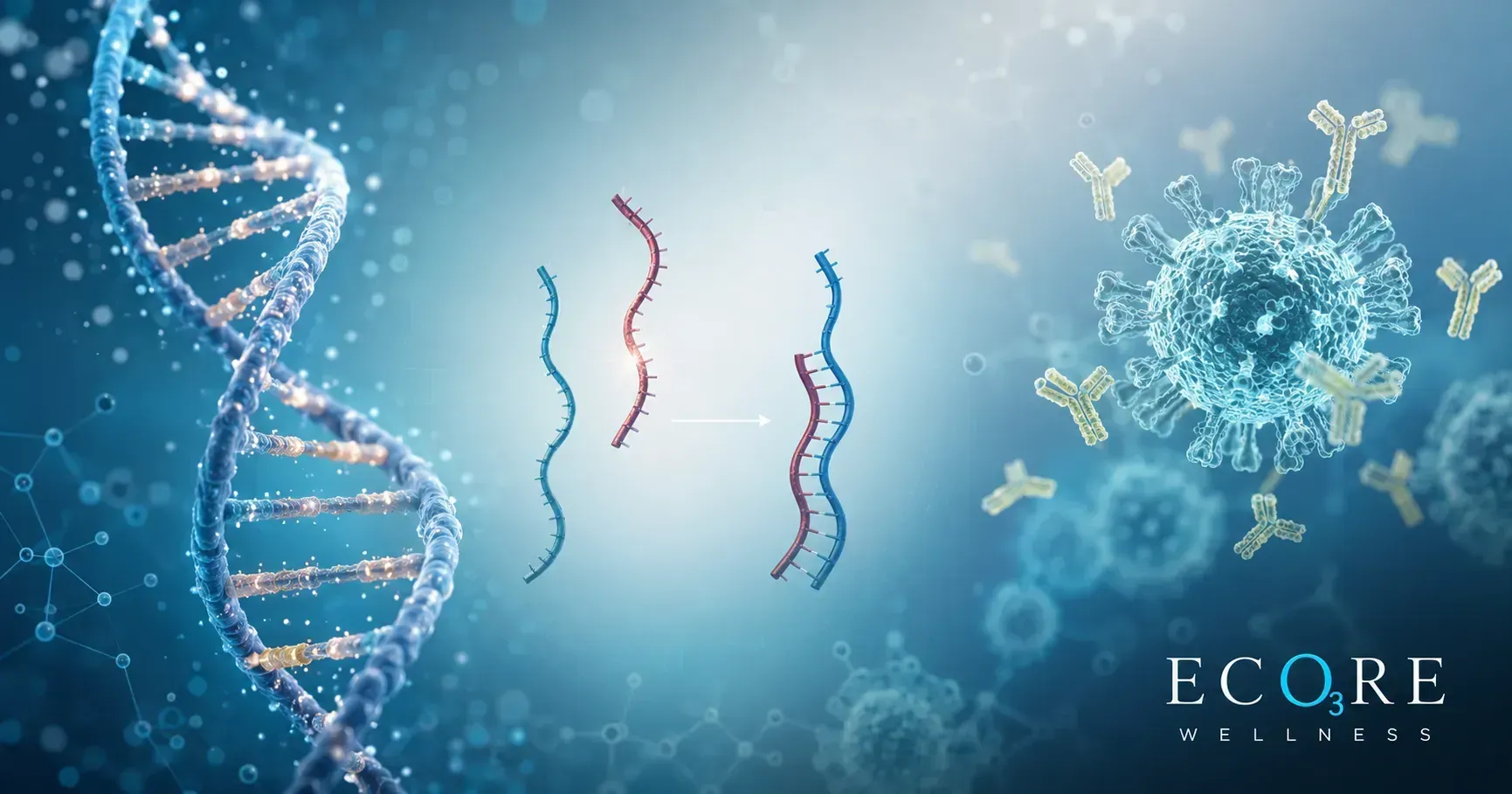
SOT is promoted as an individualized intervention built around a selected RNA-related target. The concept draws from legitimate oligonucleotide science, but published human evidence for SOT in cancer is preliminary. It is not an FDA-approved replacement for surgery, chemotherapy, radiation, immunotherapy, hormone therapy or approved targeted treatment.
Patients should ask what target was identified, how the assay was validated, what exact product will be supplied, what adverse-event system exists and how response will be measured.
Looking for Coordinated Cancer Support in San Diego?
A free discovery call can help determine whether a physician-guided consultation at Ecore Wellness in Encinitas may fit your needs. Bring your diagnosis, current treatment plan and complete medication and supplement list.
Book a Free Discovery CallEBOO: Where It May—and May Not—Fit
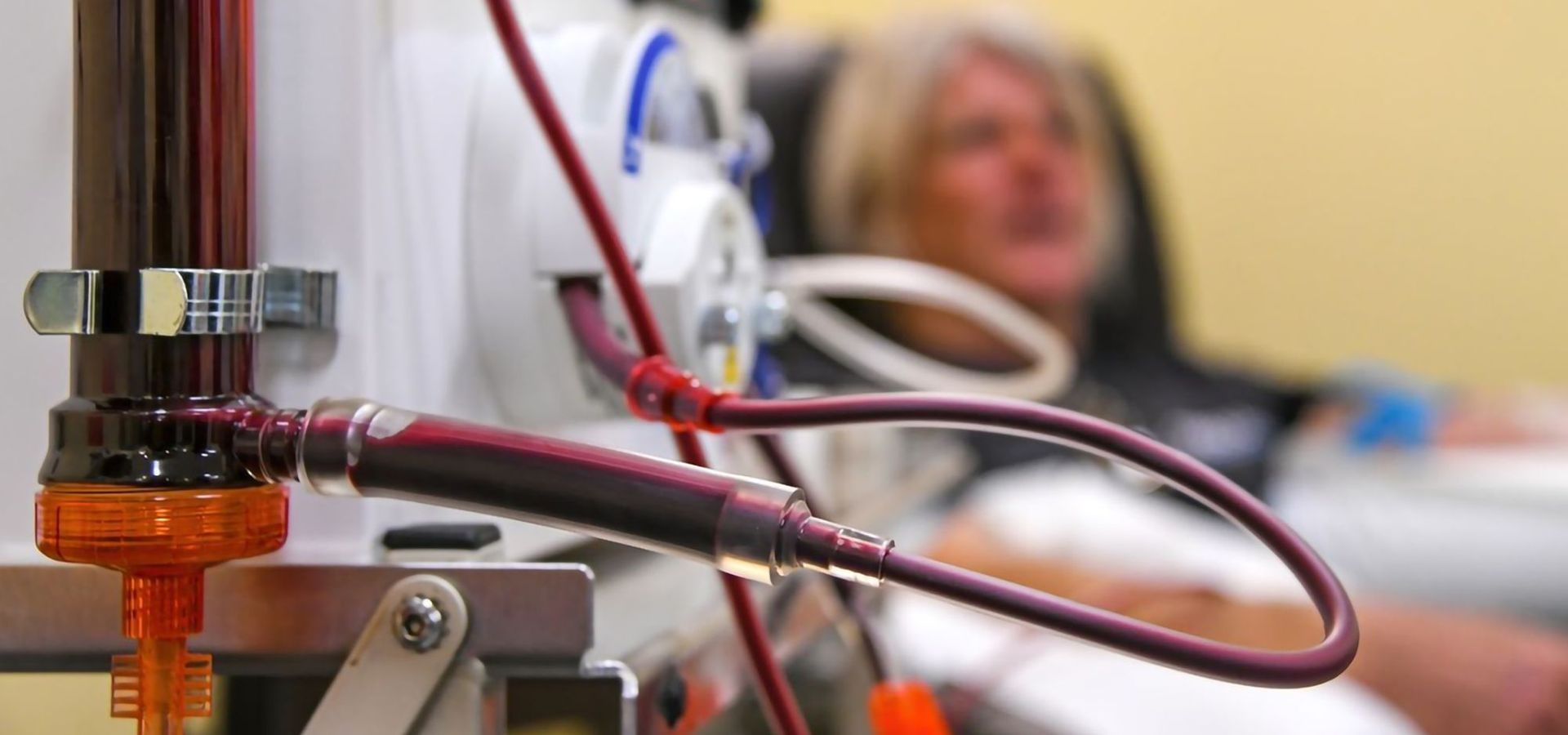
Extracorporeal blood oxygenation and ozonation circulates blood through an external system where it is exposed to ozone under controlled conditions before returning to the patient. EBOO has been studied in limited non-cancer settings, but evidence that it treats cancer or improves cancer survival is insufficient.
At an integrative clinic, EBOO should only be discussed for individualized supportive goals after physician screening. It carries procedure-related risks involving vascular access, anticoagulation, blood handling, hemodynamic changes and other complications. It should never delay urgent oncology care.
Curcumin: Promising Biology, Limited Clinical Certainty
Curcumin is a component of turmeric studied for anti-inflammatory and other biological effects. Laboratory findings are not the same as proven clinical benefit. Human studies use different formulations, doses and routes, making results difficult to compare. Curcumin is not FDA-approved as a cancer treatment.
Potential concerns include gastrointestinal effects, bleeding risk and interactions with medications or treatment. “IV curcumin” should not be assumed to have the same evidence as oral products studied in published research.
Nutrition, Movement, Sleep and Stress Support
The most important supportive plan is often less dramatic than patients expect. Maintaining nutrition, lean body mass, hydration, movement, sleep and emotional support can influence daily function and treatment tolerance.
Nutrition Support
Screen for weight loss, reduced intake, swallowing problems, nausea, diarrhea, constipation and protein needs. A cancer-trained dietitian can adapt the plan to treatment.
Movement and Recovery
Appropriate physical activity may help fatigue, mood and function. The plan should reflect blood counts, bone health, neuropathy, surgery and current treatment.
Sleep and Stress
Breathing practices, counseling, mindfulness and structured sleep support may help patients cope. These approaches support care; they do not imply that stress caused the cancer.
Symptom Review
Pain, fatigue, nausea, anxiety and neuropathy deserve direct assessment. Supportive and palliative care can be added at any stage of serious illness.
How Should Integrative Therapies Be Coordinated?
- Keep oncology care central.
Share the diagnosis, stage, treatment schedule and current recommendations. - List every medication and supplement.
Include doses, brands, timing and products used only occasionally. - Choose one goal for each therapy.
Examples include nutrition support, fatigue management or quality of life. - Screen before treatment.
Review organ function, blood counts, allergies, clotting, G6PD status and other therapy-specific risks. - Measure and simplify.
Stop or change an intervention when it is not helping, creates risk or adds excessive treatment burden.
| Approach | Possible supportive goal | Evidence position | Key caution |
|---|---|---|---|
| Mistletoe | Quality of life or symptom support | Mixed; study quality varies | Not FDA-approved for cancer; product variability |
| IV vitamin C | Selected symptom or treatment-support goals | Mixed clinical findings | G6PD and kidney screening |
| SOT | Emerging individualized approach | Preliminary human evidence | Not a replacement for standard care |
| EBOO | Individualized supportive goals | Insufficient cancer-outcome evidence | Invasive procedure and blood-handling risks |
| Curcumin | Investigational symptom or biological support | Limited and heterogeneous | Interactions, bleeding and formulation differences |
Key Takeaways
- Integrative cancer support should work alongside—not replace—oncology care.
- The evidence for mistletoe, IV vitamin C, SOT, EBOO and curcumin is not equal.
- Every therapy needs a defined goal, screening plan and method for measuring benefit or harm.
- Herbs and supplements can interact with cancer treatment.
- Nutrition, movement, sleep and symptom support are central parts of a complete plan.
Frequently Asked Questions
What is integrative cancer support?
Integrative cancer support combines appropriate standard oncology care with selected supportive approaches intended to help with symptoms, nutrition, function, stress or treatment tolerance. It should not replace cancer-directed treatment.
Is mistletoe an FDA-approved cancer treatment?
No. Mistletoe products are used in parts of Europe, but they are not FDA-approved as cancer treatment in the United States. Research findings are mixed and many studies have important limitations.
Who should not receive high-dose IV vitamin C?
IV vitamin C may be unsafe for people with G6PD deficiency, certain kidney disorders, kidney stone risk or iron-overload conditions. Screening and oncology coordination are required.
Can EBOO treat cancer?
EBOO should not be presented as a proven cancer treatment. Published evidence for cancer outcomes is insufficient. It may only be considered for individualized supportive goals after medical screening.
Is curcumin proven to treat cancer?
No. Curcumin is being studied, but it is not FDA-approved as a cancer treatment. Products, doses and routes differ, and interactions or bleeding concerns may apply.
Can supplements interfere with cancer treatment?
Yes. Herbs and supplements can alter drug metabolism, bleeding risk, kidney or liver function and treatment effects. The oncology team should review every product and dose.
References and Further Reading
Build a Safer, More Coordinated Support Plan
Ecore Wellness serves patients in Encinitas, throughout San Diego County and those traveling for physician-guided integrative care. Start with a free discovery call to determine whether a consultation is appropriate.