
Oral Health, Gut Health and Root Cause Medicine: Why the Mouth Matters
A whole-body guide to biologic dentistry, hidden dental stressors, heavy metals, gut health, detox pathways and physician-guided integrative care.
The Essential Answer
The mouth is not separate from the rest of the body. Oral bacteria, gum inflammation, hidden dental infections and certain dental materials may add stress to the gut, immune system and detox pathways in some patients. This is why Ecore Wellness works closely with trusted healthcare partners like Dr. Nicole Vane and Moonlight Beach Dental, who specialize in biologic and holistic dentistry, to help patients evaluate possible root causes more completely.
Many patients seek root-cause care after years of fatigue, brain fog, inflammation, gut issues, mold exposure, Lyme disease concerns or sensitivity to foods and chemicals. The missing piece is not always one lab marker or one supplement. Sometimes the body is asking us to look at the mouth, the gut and the detox system together.
Watch: How Oral Health Connects to Whole-Body Healing
In this educational conversation, Dr. Nicole Vane of Moonlight Beach Dental and Evelyn Hallford of Ecore Wellness discuss how biologic dentistry and root-cause medicine can work together when patients are navigating oral inflammation, gut issues, heavy metals, mold, Lyme disease, detoxification and chronic symptoms.
Key Takeaways
- Oral health can influence whole-body health through bacteria, inflammation and immune signaling.
- Oral bacteria may travel into the digestive tract and affect gut balance in some patients.
- Heavy metals and hidden dental infections should be evaluated carefully by trained professionals.
- Lyme disease, mold illness, gut dysfunction and detox capacity often overlap in complex cases.
- EBOO, ozone therapy, IV therapy and functional testing should be individualized and medically supervised.
What Is the Mouth-Body Connection?
The mouth is the start of the digestive tract. It contains bacteria, blood vessels, nerves, immune tissue and dental materials. When oral health is stable, it supports eating, breathing, speaking and overall quality of life. When there is infection, inflammation or toxic burden, it may add stress to the whole system.
In root-cause medicine, we do not assume every symptom starts in the mouth. We also do not ignore the mouth when a patient has chronic gut issues, immune stress, inflammation, brain fog or unexplained symptoms. A complete evaluation may include dental history, oral health, gut function, toxic exposures, environmental burden and detox capacity.
Root-cause care asks a better question: What is still stressing the body, and has the oral cavity been evaluated as part of the whole system?
How Can Oral Bacteria Affect Gut Health?
Every day, bacteria from the mouth can be swallowed and enter the digestive tract. A healthy gut has defenses, including stomach acid, bile flow, immune activity and a balanced microbiome. When those defenses are stressed, oral bacteria may contribute to microbial imbalance and inflammation.
Patients often describe this as “leaky gut,” a common term for increased intestinal permeability. In simple terms, the gut barrier may become less selective. This can affect immune signaling and may contribute to symptoms such as food sensitivity, bloating, fatigue, brain fog or inflammatory flares.
Patients May Notice
- Bloating or digestive discomfort
- Food sensitivity
- Reflux or irritation
- Brain fog after meals
- Ongoing inflammation
Clinicians May Evaluate
- Oral health history
- Gum and dental infection risk
- Gut microbiome patterns
- Inflammatory markers
- Detox and drainage pathways
Heavy Metals and Hidden Dental Infections
Dr. Nicole Vane and Moonlight Beach Dental specialize in biologic and holistic dentistry. This means they look at the teeth, gums, jawbone, dental materials and oral environment through a whole-body lens.
One common concern is heavy metal exposure from dental materials, including mercury-containing amalgam fillings. Dental amalgam decisions should be individualized. Patients should not remove dental metals without the proper dental evaluation, safety precautions and post-procedure support.
Hidden dental infections are another important topic. Infected teeth, unresolved jawbone inflammation or chronic gum disease may add to the body’s inflammatory load. For some patients with Lyme disease, mold illness, gut dysfunction or chemical sensitivity, even one overlooked source of inflammation can matter.
Do Not Detox Without a Plan
Dental work and detoxification should be coordinated. The body may need support for minerals, hydration, lymphatic flow, gut function, bile flow, antioxidants and elimination pathways. Treatment should be guided by qualified dental and medical professionals.
Looking for Root-Cause Support in Encinitas?
Ecore Wellness helps patients explore oral health, gut health, inflammation, mold, Lyme, heavy metals, detox capacity and cellular support through a more complete clinical lens.
Schedule a ConsultationWhy Detox Pathways Matter
Detoxification is not only about “pulling toxins out.” It is a coordinated process involving the liver, kidneys, lymphatic system, gut, bile flow, hydration, minerals and antioxidant systems. If these pathways are not supported, patients may feel worse when they try aggressive detox strategies.
This is especially important for patients with heavy metal concerns, mold exposure, Lyme disease history, gut inflammation or high toxic burden. At Ecore Wellness, functional testing may be used to help identify what the body needs before advanced therapies are added.
- Identify possible sources.
Review oral health, dental materials, hidden infections, mold exposure, Lyme history, gut health and environmental burden. - Test before treating.
Evaluate inflammation, nutrient status, liver function, kidney function, toxic burden and immune stress when appropriate. - Open drainage pathways.
Support hydration, minerals, lymphatic movement, bile flow, bowel regularity and antioxidant reserves. - Match therapy to the patient.
IV therapy, ozone therapy and EBOO should be selected based on labs, goals, tolerance and clinical screening. - Monitor and adjust.
Symptoms, labs and recovery patterns should guide the next step. More therapy is not always better.
How EBOO, Ozone Therapy and IV Therapy May Fit
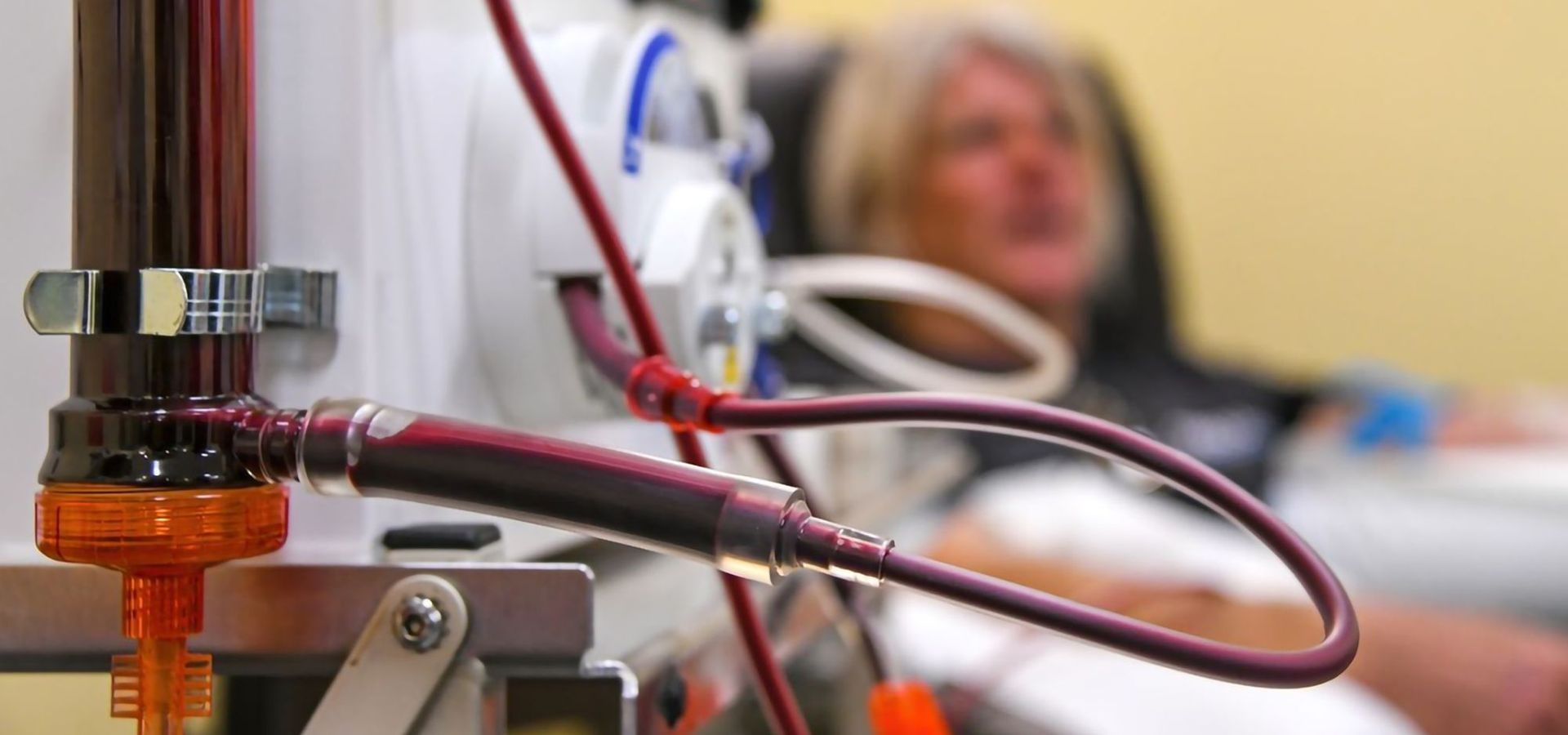
EBOO stands for extracorporeal blood oxygenation and ozonation. It circulates blood through an external system, uses filtration and exposes blood to medical ozone under controlled clinical conditions before returning it to the body. In a root-cause plan, EBOO may be discussed as a supportive therapy after appropriate medical screening.
Ozone therapy is also used by some dental and integrative clinicians because of its oxygen-supportive and antimicrobial properties. It is not a cure-all, and protocols vary. It should only be performed by trained professionals with clear indications and safety standards.
IV therapy may support hydration, minerals, antioxidants, mitochondrial nutrients and recovery needs. At Ecore Wellness, IV therapy is not positioned as a quick fix. It is one part of a broader care plan that may also include functional testing, oral health coordination, gut support, detox pathway support and lifestyle care.
| Area | What May Be Evaluated | Supportive Approach | Key Caution |
|---|---|---|---|
| Oral health | Gums, teeth, jawbone, dental materials | Biologic dental evaluation | Do not assume every symptom is dental |
| Gut health | Microbiome, digestion, permeability, inflammation | Functional testing and gut support | Food restriction alone may not solve the root issue |
| Heavy metals | Exposure history, dental history, detox capacity | Dental coordination and detox planning | Removal and detox should be supervised |
| Mold and Lyme | Symptoms, exposure history, labs, immune stress | Personalized medical and detox support | Testing and treatment should be individualized |
| Cellular support | Energy, inflammation, oxidative stress, nutrients | IV therapy, ozone, EBOO and recovery support | Not a replacement for medical or dental care |
Why Ecore Wellness and Moonlight Beach Dental Work Together
Dr. Nicole Vane and Moonlight Beach Dental bring the biologic dentistry perspective. Ecore Wellness brings functional medicine, testing, detox support, IV therapy, ozone therapy, EBOO and whole-body care planning.
This collaboration matters because chronic health concerns are often layered. A patient may have oral inflammation, gut dysbiosis, nutrient depletion, mold exposure, Lyme history and impaired detox capacity at the same time. The goal is not to chase every symptom. The goal is to understand what may be keeping the body under stress and support healing in the right order.
Who May Benefit From This Type of Evaluation?
This approach may be helpful for patients who have ongoing symptoms and want to understand whether oral health, gut health or toxic burden could be part of the picture.
Patients Often Seek This For
- Brain fog or chronic fatigue
- Gut issues or food sensitivity
- Mold or Lyme concerns
- Inflammation or pain
- Heavy metal exposure concerns
A Stronger Plan Includes
- Testing before aggressive treatment
- Coordination between dental and medical care
- Support for detox pathways
- Personalized IV and ozone protocols
- Realistic expectations and monitoring
Frequently Asked Questions
Can oral health affect gut health?
Yes. Oral bacteria can travel into the digestive tract and may influence the gut microbiome, immune signaling and inflammation in some people. This is one reason oral health can matter in root-cause care.
What is biologic dentistry?
Biologic dentistry is a dental approach that considers how the teeth, gums, jawbone, airway, dental materials, infection and inflammation may affect the rest of the body.
Can hidden dental infections cause chronic symptoms?
Hidden dental infections may contribute to inflammatory burden in some patients. A proper dental exam and imaging are needed before making treatment decisions.
Can heavy metals from dental fillings affect health?
Some patients are concerned about mercury-containing amalgam fillings and other dental materials. Dental material decisions should be individualized and guided by a qualified dental professional.
What is leaky gut?
Leaky gut is a common term for increased intestinal permeability. It means the gut barrier may become less selective, which may affect immune and inflammatory signaling.
How does mold illness fit into root-cause medicine?
Mold exposure may affect some patients, especially those with sensitivity, allergies, asthma or immune stress. Root-cause care looks at exposure history, symptoms, detox capacity and overall inflammatory burden.
How does Lyme disease relate to oral and gut health?
Lyme disease can contribute to fatigue, pain, brain fog and immune stress in some patients. Oral inflammation, gut imbalance and detox challenges may overlap and should be evaluated as part of the full picture.
What is EBOO therapy?
EBOO is extracorporeal blood oxygenation and ozonation. It uses external circulation, filtration and controlled ozone exposure. It should be medically supervised and individualized.
Is ozone therapy the same as EBOO?
No. Ozone therapy can be delivered in different ways. EBOO is a more involved procedure that combines blood filtration with ozonation under clinical supervision.
Why does functional testing matter?
Functional testing may help identify nutrient status, inflammation, organ function, toxic burden, gut imbalance and detox capacity so the care plan can be more precise.
References and Further Reading
- The Oral-Gut Axis: Periodontal Diseases and Gastrointestinal Health.
- Oral-Gut Microbiome Axis in Gastrointestinal Disease and Cancer.
- World Health Organization: Oral Health.
- U.S. Food and Drug Administration: Dental Amalgam Fillings.
- CDC: Chronic Symptoms and Lyme Disease.
- CDC: Mold and Health.
- Di Paolo N, et al. Extracorporeal Blood Oxygenation and Ozonation.
- Ozone Therapy in Medicine and Dentistry: A Review.
Ready to Look Deeper?
Ecore Wellness serves patients in Encinitas, San Diego County and those traveling for physician-guided integrative and root-cause care. Start with a consultation to determine whether this approach is appropriate for your needs.