Oral Health and Chronic Illness: The Dental Connection in Lyme, Mold and Autoimmune Care
The connection between oral health and chronic illness is often overlooked. For people navigating Lyme disease, mold illness, autoimmune symptoms or a complex detoxification plan, unresolved dental and periodontal issues may be an important part of the clinical picture.
The Essential Answer
Oral health can affect more than the teeth and gums. Active decay, periodontal inflammation, oral biofilms and certain dental materials may add to a medically complex patient’s total inflammatory or toxic burden. This does not mean that dental problems cause every chronic illness, or that every patient should have dental work before treatment. It means the oral cavity deserves thoughtful evaluation as part of whole-person care—and that dental and medical teams should coordinate the timing safely.
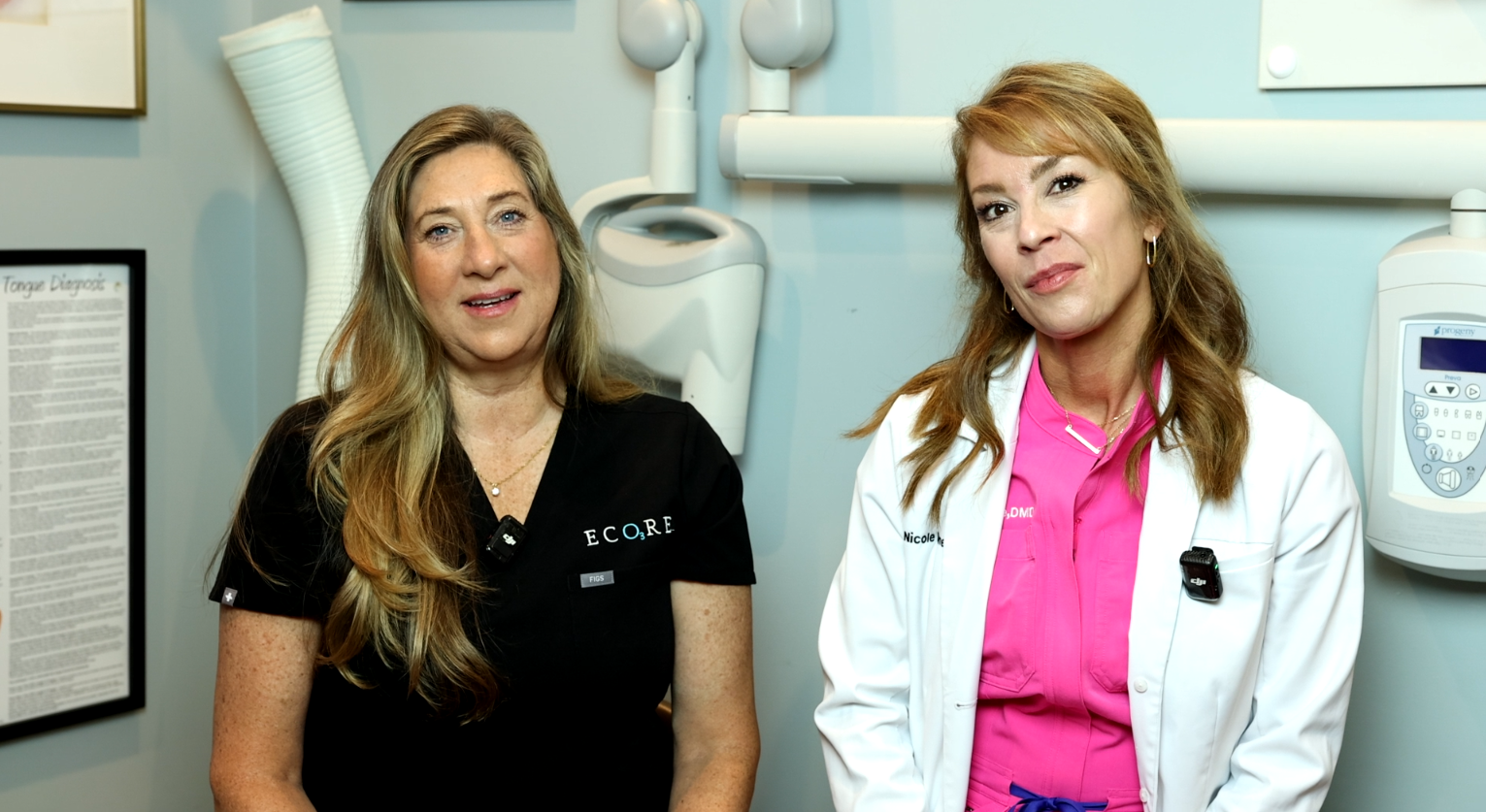
Hi, I’m Evelyn, founder and owner of Ecore Wellness in Encinitas, California. We are an integrative and regenerative medicine clinic, and one lesson I learned through my own health journey is that the oral cavity cannot be treated as if it exists separately from the rest of the body.
During my experience with Lyme disease and thyroid cancer, dental health became one layer of a much larger recovery plan. I had older metal and mercury-containing amalgam fillings, and I worked with dental and medical professionals to evaluate what needed to be addressed. That process shaped the way I now think about patients who come to Ecore Wellness with chronic inflammation, mold exposure, mycotoxin concerns, autoimmune symptoms, long-standing infections or poor tolerance to detoxification protocols.
My experience is personal; it is not proof that amalgam fillings caused my illnesses or that removing dental materials will resolve another person’s condition. But it taught me to ask a question that is frequently missed in complex care: Has the patient’s oral health been properly evaluated?
The Mouth Is Part of the Body—not a Separate System
The oral cavity is the beginning of both the digestive and respiratory tracts. It contains teeth, gums, bone, saliva, nerves, blood vessels, restorations and a complex microbial ecosystem. Most oral microorganisms live in balance and are not harmful. Problems develop when that balance is disrupted, oral hygiene is inadequate, saliva is reduced, dental decay progresses, or gum inflammation becomes chronic.
Periodontal disease is not simply a cosmetic issue or a little bleeding during brushing. It is an inflammatory condition affecting the tissues that support the teeth. Oral bacteria and inflammatory mediators may enter the circulation, and research has identified associations between periodontal disease and several systemic conditions. Association does not automatically prove that one condition caused the other, but it does reinforce a fundamental point: oral health and whole-body health are connected.
The practical takeaway: when someone has persistent inflammation or a complex chronic illness, the medical history should include questions about gum disease, bleeding, infections, root canals, implants, missing teeth, jaw pain, dry mouth, old restorations and the date of the last comprehensive dental examination.
Oral Biofilms: Why Dental Plaque Is More Than “Dirty Teeth”
A biofilm is an organized community of microorganisms that adheres to a surface and protects itself within a matrix. Dental plaque is a familiar example. Biofilms can develop on natural teeth, beneath the gum line, around implants and on dental restorations.
Healthy oral biofilms are part of normal human biology. The concern is dysbiosis—an imbalance in the microbial community—combined with inflammation, decay or periodontal pocketing. In that setting, the mouth may become a persistent source of local immune activation.
Signs That Need Dental Evaluation
- Bleeding, swollen or receding gums
- Persistent bad breath or a bad taste
- Tooth pain, pressure or temperature sensitivity
- Loose teeth or changes in the bite
- Jaw swelling, drainage or recurrent abscesses
- Pain around an implant, crown or prior root canal
Factors That Can Change the Oral Environment
- Dry mouth from medications or illness
- Smoking or vaping
- High sugar intake and frequent snacking
- Diabetes or impaired glucose control
- Immune suppression or chronic inflammation
- Inconsistent brushing, flossing or professional care
Medical therapies cannot mechanically remove calculus, repair a cavity or drain a dental abscess. When active oral disease is present, appropriate dental treatment remains essential.
The Oral–Gut Axis: What Functional Testing May—and May Not—Tell Us
The mouth is the first stop in the gastrointestinal tract, and microorganisms from the oral cavity are swallowed throughout the day. Researchers are actively studying how oral dysbiosis may influence the gut microbiome, immune signaling and systemic inflammation.
In clinical practice, stool or gastrointestinal testing may identify microorganisms that are also known to inhabit the mouth. That can be a useful clue, but it must be interpreted carefully. Finding the same broad type of microorganism in two locations does not prove that the mouth is the sole source of a gut problem, nor does it establish that a dental procedure will correct a systemic condition.
A Better Way to Use Testing
Test results should be considered alongside symptoms, periodontal findings, dental imaging, medication history, diet, gastrointestinal function, immune status and the patient’s overall clinical picture. The goal is not to chase every organism on a report. The goal is to identify treatable disease and reduce unnecessary inflammatory burden.
Dental Amalgam and Mercury: A Balanced, Safety-First Discussion
Dental amalgam—sometimes called a “silver filling”—is a mixture of metals that includes elemental mercury. Amalgam restorations can release small amounts of mercury vapor, particularly during placement, removal, chewing or grinding.
This topic often creates fear, especially for patients who are already sick. The most responsible approach is neither to dismiss the concern nor to assume that every amalgam filling must be removed.
Do Not Remove Healthy Amalgam Fillings Without an Individualized Dental Reason
The U.S. Food and Drug Administration advises that intact amalgam fillings should not be removed when there is no decay underneath them unless removal is medically necessary. Removing a sound filling can temporarily increase mercury exposure and removes healthy tooth structure. Patients should discuss risks, benefits and alternatives with a qualified dentist.
The FDA also identifies certain populations that may be more susceptible to potential adverse effects from mercury exposure, including pregnant women or those planning pregnancy, nursing mothers, young children, people with kidney or neurological impairment, and those with known sensitivity to components of amalgam. For these patients, non-amalgam options may be considered when a new restoration is needed and clinically appropriate.
What Safe Decision-Making Looks Like
- Start with a comprehensive dental examination. Determine whether a restoration is cracked, leaking, surrounded by decay or otherwise failing.
- Review the complete health history. The dentist should understand medications, allergies, kidney function, neurological history, pregnancy status, immune conditions and current medical treatments.
- Discuss all reasonable options. These may include monitoring, repair, replacement or referral to a specialist.
- Coordinate timing with the medical team. Medically complex patients may need special planning for medications, healing, infection risk or treatment scheduling.
- Use appropriate safety practices. When amalgam removal is clinically indicated, the dental professional should use evidence-informed exposure-control procedures.
Why Oral Health May Matter in Lyme, Mold and Autoimmune Care
Patients with complex chronic illness often carry more than one burden at the same time. A person may have poor sleep, nutrient deficiencies, gastrointestinal dysfunction, chronic stress, medication effects, environmental exposures and an untreated dental condition. No single layer explains everything, but each layer may affect the body’s ability to regulate inflammation and recover.
Lyme Disease and Persistent Symptoms
Lyme disease requires appropriate medical diagnosis and treatment. Dental treatment is not a cure for Lyme disease. However, a patient with Lyme disease can also have periodontal disease, decay, abscesses or failing restorations. Identifying and treating those separate oral conditions may reduce an additional source of pain, inflammation or immune stress.
Mold and Mycotoxin Concerns
People dealing with water-damaged buildings or mold-related symptoms may focus heavily on the home, workplace, sinuses and gastrointestinal tract while overlooking the mouth. Oral fungal overgrowth, dry mouth, inflamed gums or dental infection should be evaluated on their own merits rather than assumed to be caused by mold exposure.
Autoimmune and Inflammatory Conditions
Autoimmune disease can affect the mouth through dry mouth, ulcers, medication side effects and altered immune responses. At the same time, periodontal inflammation may contribute to the person’s overall inflammatory load. This is why coordinated care is more useful than treating dentistry and medicine as unrelated silos.
“The lesson from my own journey was not that every illness begins in the mouth. It was that the mouth should never be ignored when the rest of the body is struggling.” — Evelyn Hallford
Should Dental Work Happen Before, During or After Detox?
There is no universal timeline. The right sequence depends on what the dentist finds, how medically stable the patient is, what procedures are needed and how well the patient tolerates treatment.
Dental Care May Need to Come First When…
- There is an abscess, spreading infection or significant swelling
- A tooth is fractured or causing severe pain
- Periodontal disease is advanced or rapidly progressing
- A planned medical therapy could be complicated by active infection
- The dentist identifies an urgent condition requiring treatment
Medical Stabilization May Come First When…
- The patient is too medically fragile for elective dental work
- Hydration, nutrition or blood counts need correction
- Medications or anticoagulation require planning
- The procedure can safely wait while the care team improves resilience
- The dentist and physician agree that staged treatment is safer
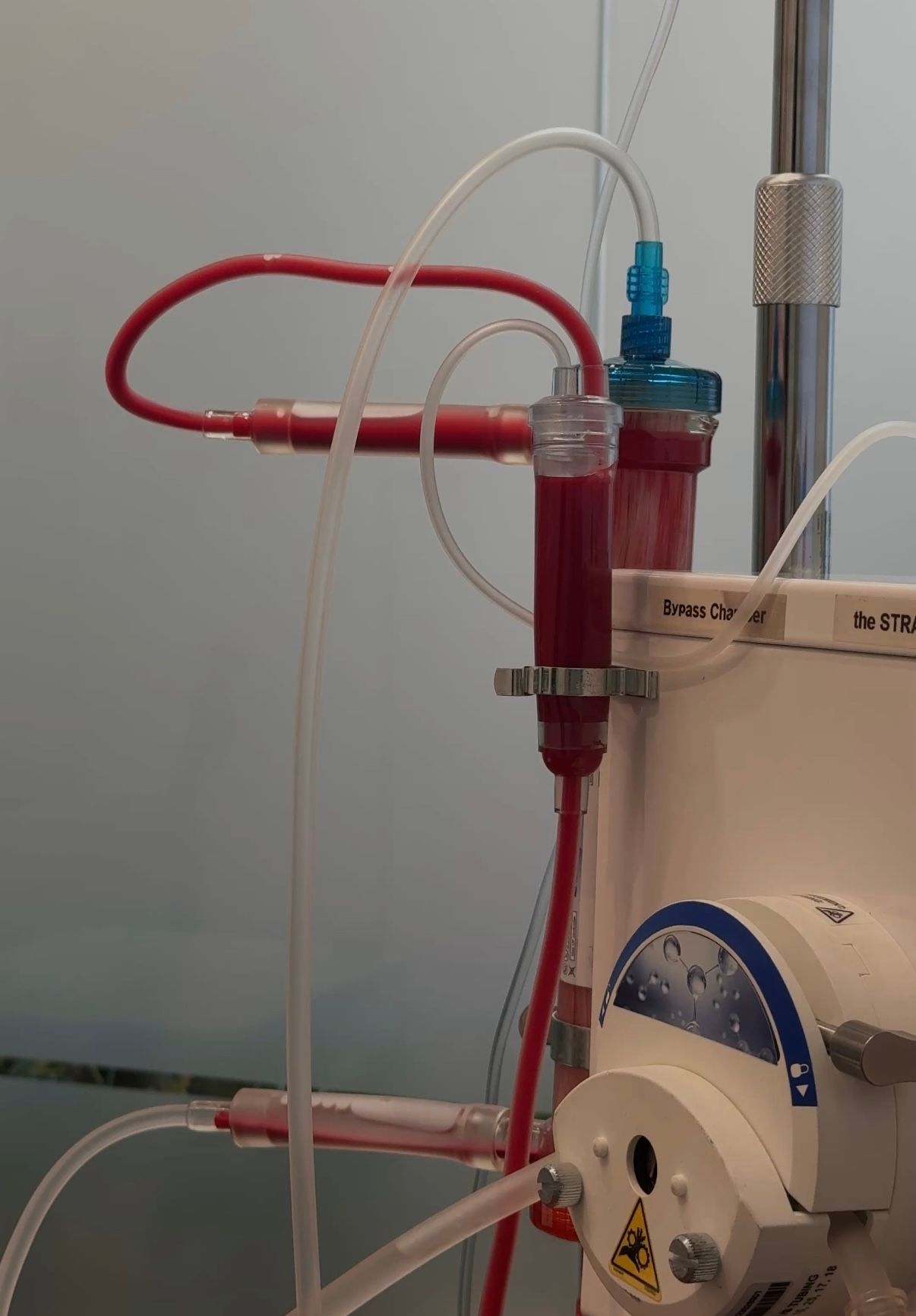
At Ecore Wellness, patients may be considering IV nutrient therapy, EBOO, physician-directed chelation or other integrative and regenerative treatments. These therapies do not replace dental care. Their timing should be individualized, and chelation should only be used when medically indicated and supervised by a qualified licensed clinician because it carries meaningful risks and requires monitoring.
The goal is not to force every patient through the same order of treatment. The goal is to identify urgent disease, build enough stability for safe care and coordinate the medical and dental plan so one treatment does not undermine the other.
A Coordinated Oral-Health Process for Medically Complex Patients
- Take a complete oral-health history. Include bleeding gums, dental pain, dry mouth, prior root canals, implants, extractions, orthodontic appliances, amalgam restorations and recent dental imaging.
- Obtain a licensed dental evaluation. A dentist—not a wellness clinic—must diagnose decay, periodontal disease, abscesses and restoration failure.
- Identify urgent versus elective needs. Treat emergencies promptly and sequence elective work according to medical stability and patient priorities.
- Share relevant medical information. The dental team should know about diagnoses, medications, allergies, anticoagulants, immune suppression, kidney disease, pregnancy and planned medical therapies.
- Build recovery capacity. Depending on the patient, this may include hydration, nutrition, sleep support, bowel regularity, nervous-system regulation and correction of deficiencies under medical supervision.
- Reassess after treatment. Monitor oral healing, symptoms and the person’s tolerance before escalating other interventions.
Key Takeaways
- The oral cavity is connected to the digestive, respiratory, circulatory and immune systems.
- Periodontal disease and active dental infections can add to the body’s inflammatory burden.
- Oral biofilms are normal, but dysbiosis and uncontrolled plaque can contribute to dental disease.
- Research supports an oral–systemic connection, but it does not prove that dental problems cause every chronic illness.
- Dental treatment does not cure Lyme disease, mold illness or autoimmune disease, but coexisting oral disease still deserves treatment.
- Healthy amalgam fillings should not automatically be removed; decisions must be individualized with a qualified dentist.
- EBOO, IV therapy and chelation cannot replace dental diagnosis or treatment.
- The best timing is determined collaboratively by the patient, dentist and medical team.
The Bottom Line: Do Not Overlook the Oral Cavity
One of the hardest parts of chronic illness is feeling as though every specialist sees only one piece of the body. The dentist looks at the teeth. The gastroenterologist looks at the gut. The physician looks at laboratory values. The patient is left trying to understand how the pieces fit together.
Integrative care should not mean making unsupported claims or blaming every symptom on one hidden cause. It should mean asking complete questions, respecting each profession’s scope and coordinating the pieces that genuinely matter.
Oral health may be one of those pieces. For some patients it is a routine preventive issue. For others, an untreated infection, advanced gum disease or failing restoration may be a meaningful barrier that needs attention. The correct next step is not fear or automatic removal of dental work. It is a careful evaluation and an individualized plan.
At Ecore Wellness, we believe the mouth belongs in the whole-body conversation—especially when a patient is preparing for intensive treatment, struggling to tolerate detoxification or continuing to experience inflammation despite addressing other known factors.
Frequently Asked Questions
Can oral health affect chronic illness?
Oral infections, periodontal inflammation and microbial imbalance may add to a person’s total inflammatory burden. Research shows associations between oral health and several systemic conditions, but oral disease is not the sole cause of complex chronic illness.
Should everyone with chronic illness remove mercury amalgam fillings?
No. The FDA does not recommend removing intact amalgam fillings when there is no decay beneath them unless removal is medically necessary. Decisions should be made with a qualified dentist after reviewing the patient’s health history, restoration condition, symptoms and alternatives.
What is an oral biofilm?
An oral biofilm is an organized community of microorganisms attached to a surface in the mouth. Dental plaque is a common example. When biofilms become imbalanced or are not controlled, they may contribute to cavities, gingivitis and periodontal disease.
Is there a connection between the oral microbiome and the gut microbiome?
Yes, the mouth and digestive tract are physically connected, and oral microorganisms are swallowed every day. Research is exploring how oral dysbiosis may affect the gut and systemic inflammation. Test results should be interpreted in context and do not prove that the mouth caused every gastrointestinal problem.
Should dental work happen before or after a detoxification protocol?
There is no single timeline for everyone. Active infection may need prompt treatment, while elective procedures may be timed before, during or after a medical protocol based on the patient’s stability, healing capacity and the recommendations of the dentist and medical team.
Can EBOO, IV therapy or chelation replace dental treatment?
No. These therapies cannot repair a cavity, treat a dental abscess or replace periodontal care. Medical and dental treatments may be coordinated, but diagnosed dental disease requires appropriate dental management.
What type of dentist should a medically complex patient see?
Begin with a licensed dentist experienced in medically complex patients. Depending on the findings, the patient may need a periodontist, endodontist, oral surgeon or a dentist trained in exposure-control practices for amalgam removal. Communication between the dental and medical teams is especially valuable.
References and Further Reading
- U.S. Food and Drug Administration. Dental Amalgam Fillings Recommendations. View FDA guidance.
- Mayo Clinic. Oral Health: A Window to Your Overall Health. Read the overview.
- Rajasekaran JJ, et al. Oral Microbiome: A Review of Its Impact on Oral and Systemic Health. Journal of Oral Biology and Craniofacial Research. 2024. Read on PubMed Central.
- Willis JR, Gabaldón T. The Human Oral Microbiome in Health and Disease. Pharmacological Research. 2020. Read on PubMed Central.
- National Institute of Dental and Craniofacial Research. Gum Disease Information. Review patient information.
- Centers for Disease Control and Prevention. About Lyme Disease. Review CDC information.