
Supportive Oligonucleotide Therapy in San Diego: A Complete SOT Guide
A shorter, physician-reviewed guide to SOT testing, the proposed treatment process, current evidence, limitations and the questions patients should ask before moving forward.
The Essential Answer
Supportive Oligonucleotide Therapy, or SOT, is promoted as a personalized intervention built around a selected molecular target. The scientific idea is related to the broader field of RNA-targeted medicines, but a plausible mechanism is not the same as proof that a specific product improves cancer outcomes. For patients in San Diego considering SOT, the most important questions are what target was found, how reliable the test is, what evidence supports the exact product, how safety is managed and how the plan fits with standard oncology care.
SOT attracts interest because it sounds precise: test the cancer, identify a target and create a molecule intended to affect that target. Precision matters in modern oncology, but the word “personalized” does not automatically mean a therapy is validated, approved or right for a particular patient.
What Is Supportive Oligonucleotide Therapy?
Oligonucleotides are short strands of genetic material designed to bind to selected RNA sequences. FDA-approved oligonucleotide drugs exist for certain diseases, and the field has become an important area of pharmaceutical research. Each approved medicine, however, has its own chemistry, delivery system, dosing, manufacturing controls, clinical trials and regulatory review.
SOT offered through private laboratories should not be assumed to have the same evidence or approval status as an FDA-approved oligonucleotide medicine. Providers describe SOT as an autologous or individualized product prepared after laboratory testing identifies a target. Patients should ask for a plain-language explanation of the target, molecule, manufacturing process and clinical evidence for the exact product being proposed.
Important distinction: RNA interference is a real biological mechanism. That does not by itself prove that a specific SOT product reaches the tumor, changes the intended target or improves survival.
How Does the Proposed SOT Process Work?
- Confirm the diagnosis.
Pathology, imaging and the oncology record should establish what cancer is present and what treatment is recommended. - Collect and test a sample.
The clinic or laboratory may review blood, circulating tumor cells, pathology material or another assay to select a proposed molecular target. - Create the individualized product.
The laboratory prepares an oligonucleotide product intended to interact with the selected RNA target. - Complete medical review.
A licensed clinician should evaluate organ function, medications, treatment timing, infusion risk and whether the plan conflicts with oncology care. - Administer and monitor.
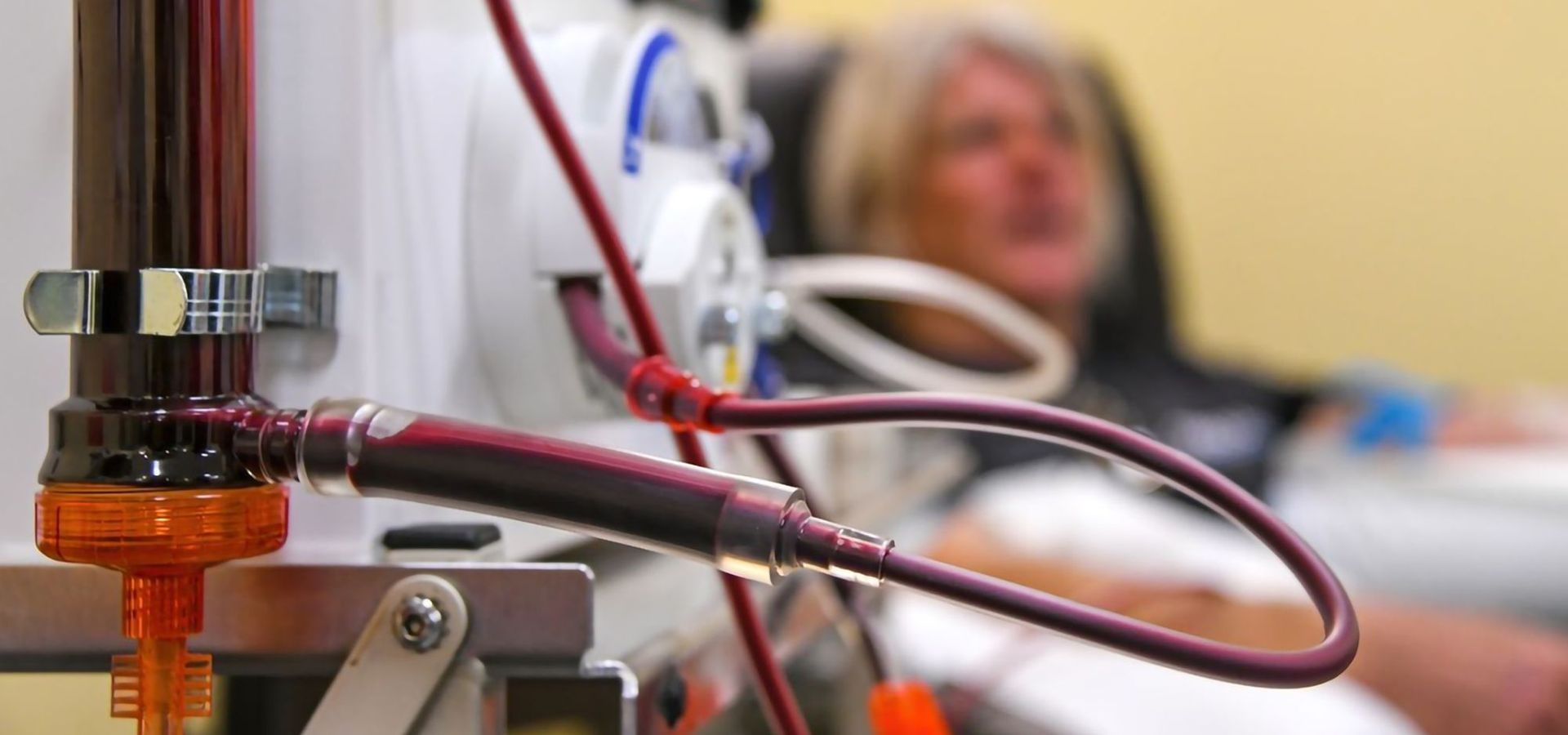
The product is commonly described as an infusion. Follow-up should use standard clinical measures rather than relying on one proprietary test.
What Testing Should Be Reviewed Before SOT?
Testing should answer a clinical question. A target may be interesting in the laboratory but still fail to guide treatment if the assay is not validated, the sample does not represent the current tumor or the proposed product cannot reliably affect the target.
Core Oncology Records
- Pathology and staging information
- Recent imaging
- Current and prior treatments
- Standard tumor biomarkers
- Medication and supplement list
Questions About the SOT Test
- What specimen is tested?
- Which laboratory performs the assay?
- How is the target selected?
- Is the assay analytically validated?
- What happens if no useful target is found?
Blood-based tests can be useful in selected cancer settings, but they do not replace tissue pathology or imaging in every case. Circulating tumor cell and circulating tumor DNA results can also vary with tumor type, burden, treatment and assay method.
Considering SOT in San Diego?
A free discovery call can help determine whether a physician-guided consultation at Ecore Wellness in Encinitas is an appropriate next step. The call is for fit and education, not emergency care or a treatment recommendation.
Book a Free Discovery CallWhat Does Current Research Show?
Published human evidence for SOT in cancer remains limited. A 2022 preliminary report evaluated 95 patients after SOT administration and included paired circulating tumor cell measurements for 47 patients. The report is useful as an early clinical description, but it was not a randomized trial and cannot establish that SOT improves survival, shrinks tumors or works better than standard treatment.
Stronger evidence would require transparent product characterization, clearly defined patient groups, validated outcomes, comparison groups, adverse-event reporting and independent replication. Until that evidence exists, SOT should be described as an emerging or investigational option rather than a proven cancer therapy.
Evidence Language Matters
Terms such as “targets RNA,” “personalized” or “precision” describe a proposed approach. They should not be converted into guarantees about tumor response, remission or cure.
Who May Consider an SOT Consultation?
A consultation may be reasonable for an adult with a confirmed diagnosis who wants to understand an emerging option, has an oncology team, can provide complete records and is willing to discuss uncertainty, cost, monitoring and alternatives.
A person should pause when the diagnosis is unconfirmed, urgent standard treatment is being delayed, the patient is medically unstable, the target or product cannot be clearly explained, or the clinic will not coordinate with the oncology team.
What Are the Main Risks and Safety Questions?
The complete risk profile of privately supplied SOT products is not well established. Possible concerns include infusion reactions, vascular-access complications, immune effects, organ impairment, drug interactions, manufacturing quality, uncertain dosing and the risk of delaying proven treatment.
| Question | Why it matters |
|---|---|
| What exact target was identified? | The target should be clearly named and connected to the patient’s current cancer record. |
| What exact product will be administered? | Patients need information about composition, manufacturing, quality controls and oversight. |
| What human outcome data support it? | Laboratory mechanisms and testimonials are not substitutes for clinical outcome evidence. |
| How are adverse events handled? | The clinic should have screening, emergency procedures and follow-up responsibilities. |
| How will response be measured? | Monitoring should use appropriate imaging, symptoms and standard oncology follow-up. |
How Should Response Be Monitored?
Monitoring should match the cancer type and stage. Appropriate measures may include imaging, physical examination, symptoms, performance status, standard blood work and accepted tumor markers. A proprietary circulating tumor cell result may add information in some cases, but it should not be used alone to declare that a cancer has responded.
The oncology team should know what was administered, when it was given and what follow-up is planned. If symptoms worsen or imaging shows progression, care should not be delayed while waiting for a nonstandard test.
Key Takeaways
- SOT is an emerging, laboratory-developed intervention—not an established replacement for oncology treatment.
- A real biological mechanism does not prove that a specific product improves patient outcomes.
- The target, assay, manufacturing process, safety plan and monitoring strategy should be explained before payment.
- Standard imaging and oncology follow-up remain central.
- Patients should not delay surgery, chemotherapy, radiation, immunotherapy or other recommended care to pursue SOT.
Frequently Asked Questions
What is Supportive Oligonucleotide Therapy (SOT)?
SOT is a laboratory-developed, individualized intervention described by its providers as using short RNA-related molecules selected for a molecular target. Evidence for its use in cancer remains preliminary.
Is SOT an FDA-approved cancer treatment?
SOT as marketed by private laboratories is not an FDA-approved cancer treatment. Patients should ask what exact product is supplied, what oversight applies and how quality and safety are documented.
Can SOT replace chemotherapy, surgery, radiation, immunotherapy or hormone therapy?
No. SOT should not be presented as a replacement for standard oncology care. Decisions about starting, stopping or changing cancer treatment belong with the treating oncology team.
How strong is the evidence for SOT in cancer?
Published human evidence is limited. A 2022 preliminary report described 95 patients and paired circulating tumor cell measurements in 47 patients, but it was not a randomized controlled trial and did not establish a survival benefit.
What testing may be reviewed before SOT?
Records may include pathology, imaging, tumor biomarker testing, blood-based testing and a laboratory-specific assay. A test result must be interpreted in the context of the confirmed diagnosis and oncology plan.
How should response be monitored?
Monitoring should use the measures appropriate for the cancer type, such as imaging, symptoms, physical examination, standard laboratory testing and oncology follow-up. A single nonstandard laboratory result should not be used alone to declare success.
References and Further Reading
Start With a Clear, Physician-Guided Conversation
Ecore Wellness serves patients in Encinitas, San Diego County and those traveling for integrative care. Schedule a free discovery call to discuss your goals and determine whether a formal consultation is appropriate.